Category: Politics
-
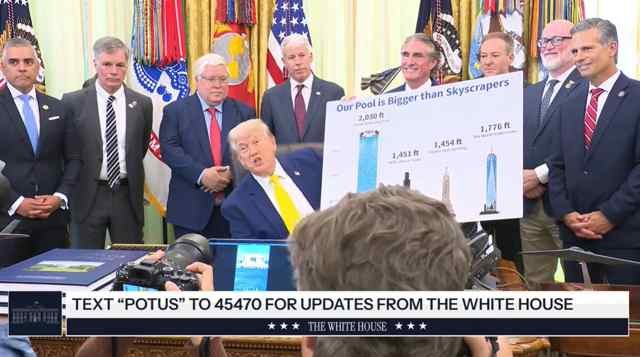
Trump Commits $700 Million to Coal in Oval Office Announcement — Full Coverage & Fact-Check
Trump invokes the Defense Production Act to commit $700M to coal plants, mines, and a new Oakland export terminal. Full transcript coverage and fact-check.
-

Bill Pulte as Acting DNI: A Multi-Source Fact-Check and Analysis
Trump’s appointment of housing regulator Bill Pulte as acting Director of National Intelligence drew fierce reaction from across the political spectrum. This analysis separates confirmed facts from contested interpretations, checks key legal claims against statute, and identifies what the initial wave of coverage got right — and wrong.
-

Political Psychology & Rhetorical Analysis: Trump Oval Office Executive Order Signing — June 3, 2026
How does Trump turn a routine EO signing into a masterclass of psychological influence? Our two-track analysis maps grandiosity, fear appeals, contempt contagion, and the illusory truth effect at work in a single Oval Office session.
-
White House Ballroom Lawsuit: Legal Analysis of the Historic Preservation Fight
The Trump administration wants to build a fortified ballroom on the White House grounds. A historic preservation nonprofit says it’s illegal. The D.C. Circuit hears oral argument June 5. Here’s what’s actually at stake — and why courts may never reach the merits.
-
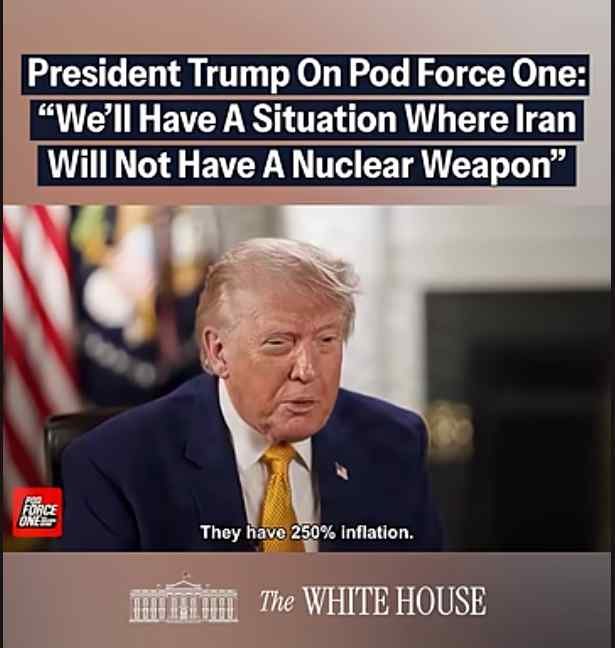
Trump Pod Force One: Psychological & Rhetorical Analysis
Trump’s June 2026 Pod Force One interview reveals a textbook psychological profile: messianic self-conception, contempt-as-dominance, and fear architecture making his power the only barrier to nuclear catastrophe. Two-track analysis inside.
-
Trump Customs EO June 2026: Claims vs. the Facts
Trump signed EOs targeting tariff evasion and federal workforce accountability, while celebrating the Reflecting Pool’s completion. But his border statistics — ’25 million’ Biden-era entrants, ‘1,000 miles’ of wall — don’t hold up under scrutiny.
-
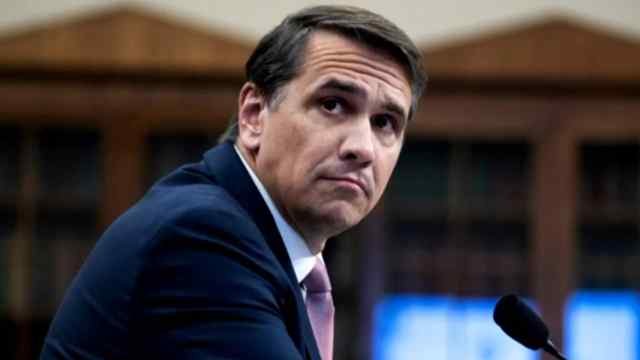
Blanche DOJ Oversight: Fund Dead, Trump Tax Immunity Stands
AG Blanche told Congress the $1.8B Anti-Weaponization Fund is dead—but the IRS order shielding the Trump family stays. Full breakdown of the June 2 hearing: Binance pardon allegations, Epstein files, and the DOJ’s $41.2B FY2027 budget request.
-
Bill Pulte: Who He Is, Where He Came From, and What He Did at FHFA
Before Trump appointed Bill Pulte acting DNI, he spent fifteen months at FHFA weaponizing mortgage data against political enemies. This dossier covers his background and every major policy action of his tenure, chapter by chapter.
-
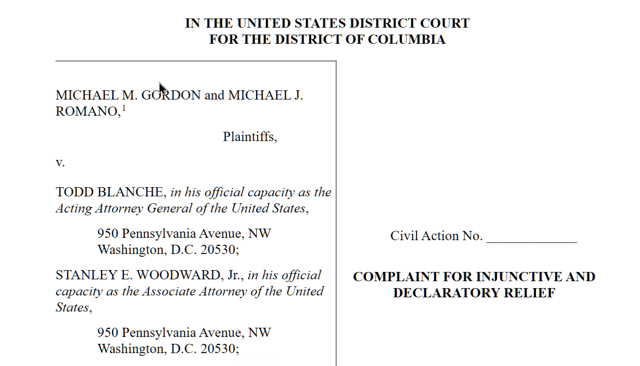
Anti-Weaponization Fund Lawsuit: J6 Prosecutors Fight Back
Two fired January 6 prosecutors have filed a federal lawsuit to dismantle Trump’s $1.776 billion Anti-Weaponization Fund. Their complaint raises nine legal claims spanning the Constitution, the spending power, and an obscure Civil War amendment that’s never been tested in modern court.
-

Hegseth’s Military Promotion List: Fact-Check & Analysis
Hegseth has blocked or removed nearly three dozen senior officers from promotion lists, with women and minorities bearing the brunt. This multi-source analysis separates verified facts from contested claims and unresolved legal questions.
-

War Fatigue, Party Fractures, and Three Judges: Sunday Show Recap, May 31, 2026
A full synthesis of the May 31, 2026 Sunday shows — Meet the Press, Face the Nation, Fox News Sunday, and This Week. The Iran war ran through every program as a foreign policy question, an economic crisis, and a midterm liability, while Mike Pence challenged his own party on two networks and Zelenskyy made…
-
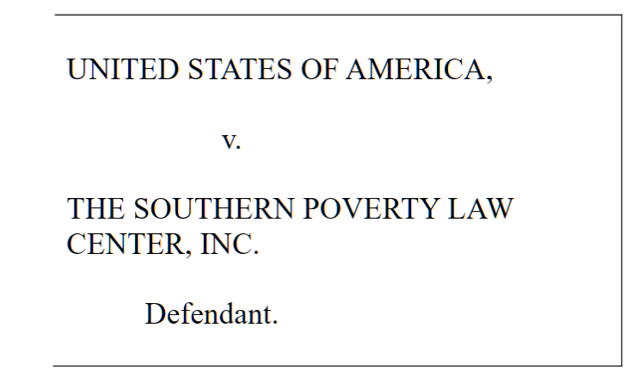
Southern Poverty Law Center Vindictive Prosecution: Motion to Dismiss Explained
The SPLC moves to dismiss its federal indictment, arguing the Trump DOJ brought charges to punish constitutionally protected advocacy. With Trump’s own statements as key evidence, this vindictive prosecution claim is among the strongest on record.