Search results for: “historic tax credits”
-
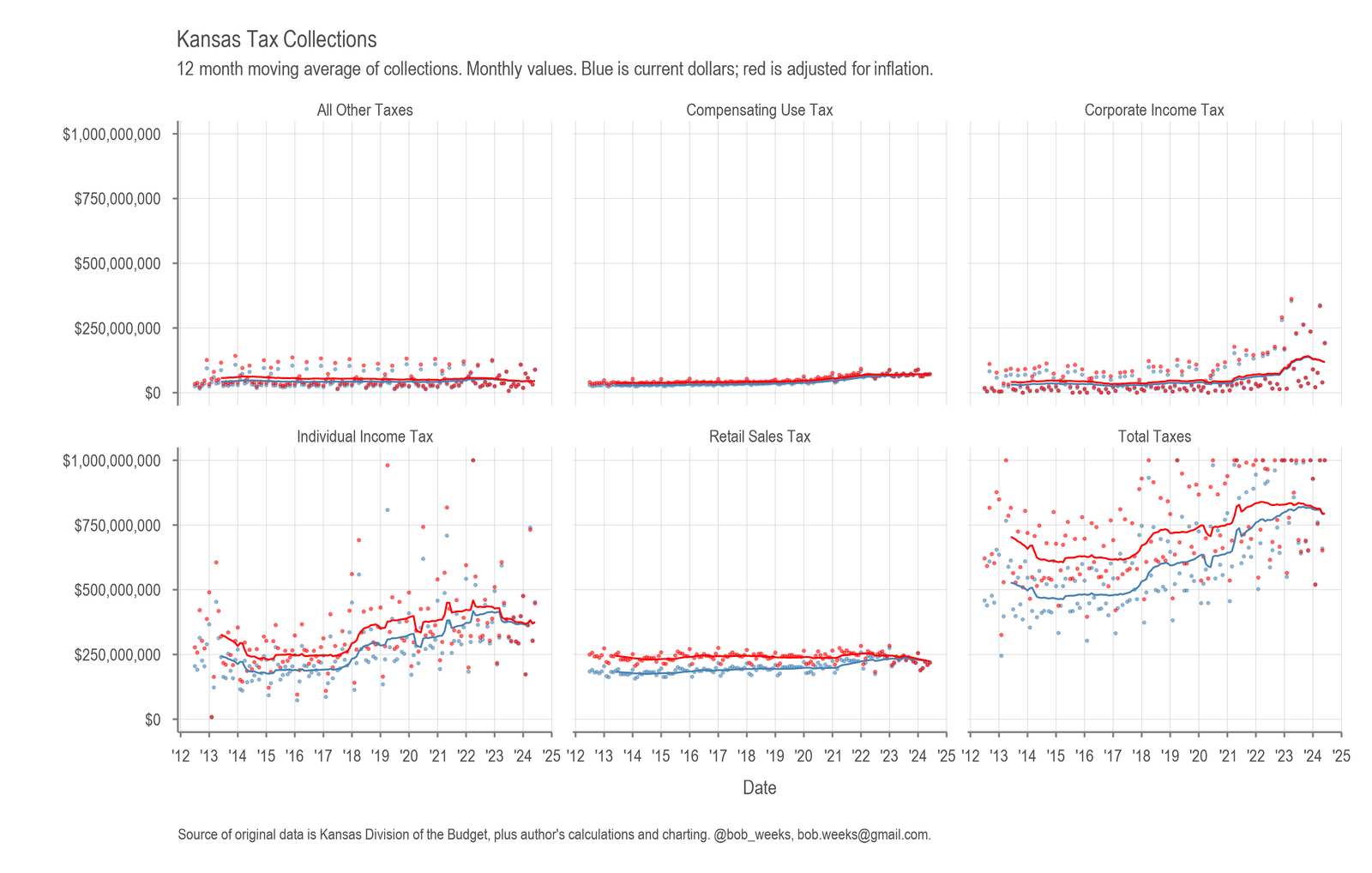
Kansas Tax Revenue, June 2024
For June 2024, Kansas tax revenue was 3.9 percent higher than June 2023, and 2.4 percent higher than estimated. For the just-completed fiscal year, collections were lower by 1.5 percent than the previous year, and 2.0 percent lower than estimated.
-
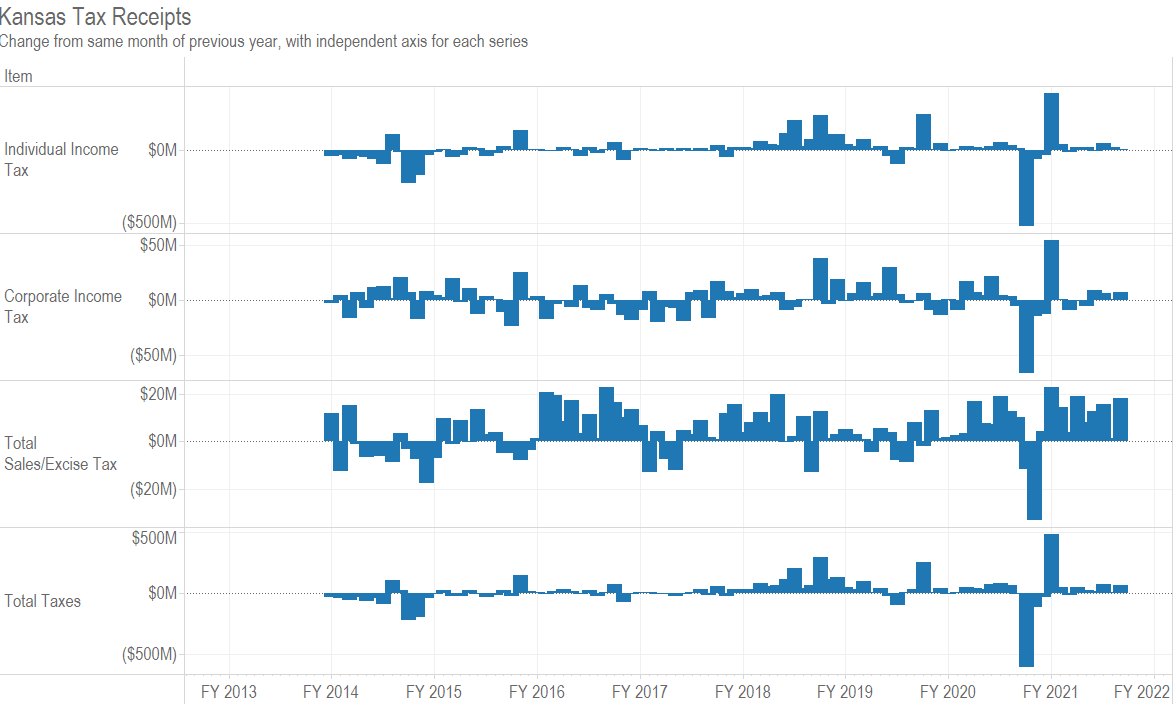
Kansas tax revenue, March 2021
For March 2021, Kansas tax revenue was 12.7 percent greater than March 2020. Over the nine months of the current fiscal year, revenue is 14.0 percent higher than at the same point of the previous year.
-
Myth: The Kansas tax cuts haven’t boosted its economy
While tax reform hasn’t produced the “shot of adrenaline” predicted by Governor Brownback, the problem is one of political enthusiasm rather than economics, writes Dave Trabert of Kansas Policy Institute.
-
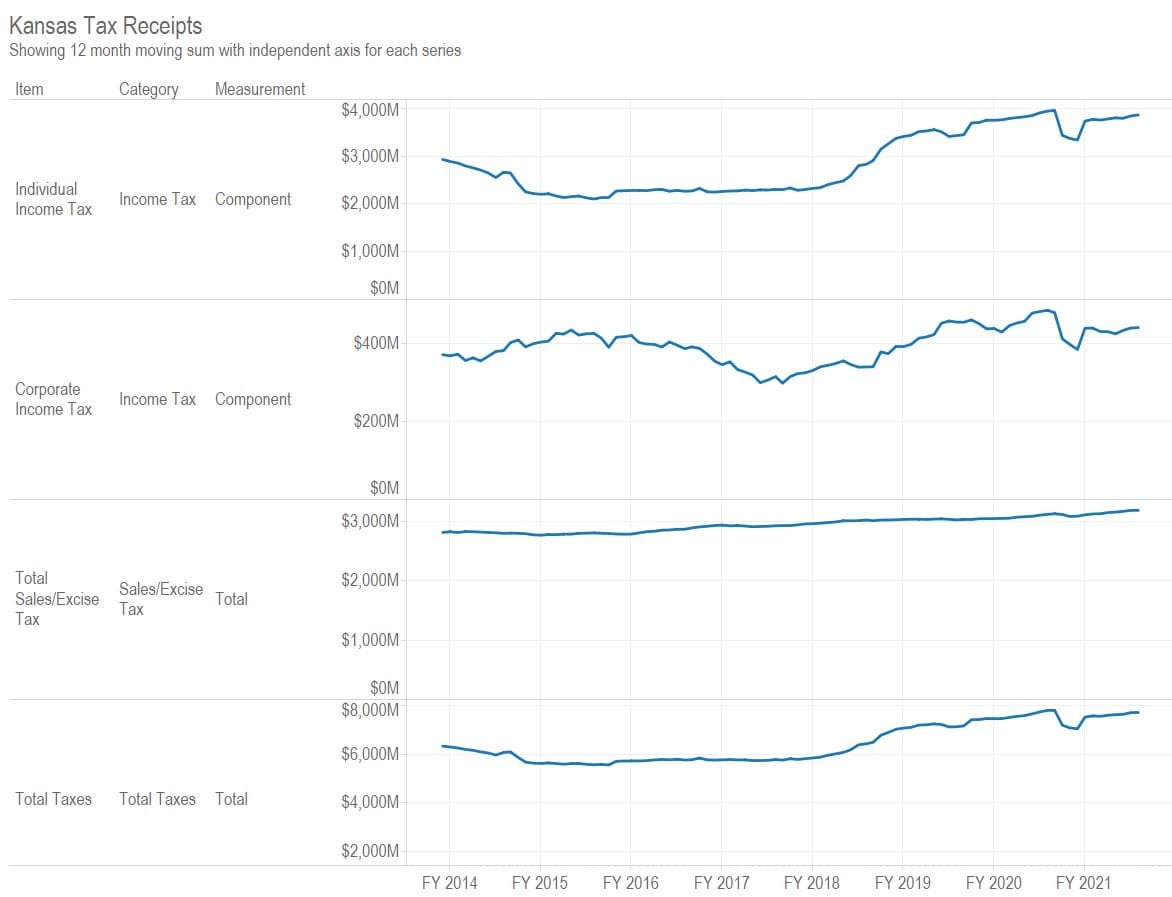
Kansas tax revenue, February 2021
For February 2021, Kansas tax revenue was 1.7 percent greater than February 2020. Over the eight months of the current fiscal year, revenue is 14.2 percent higher than at the same point of the previous year.
-

Kansas slips in Tax Foundation business tax climate index
Based on five components of taxation important to business, Kansas ranks twenty-second among the states, two positions lower than last year.
-
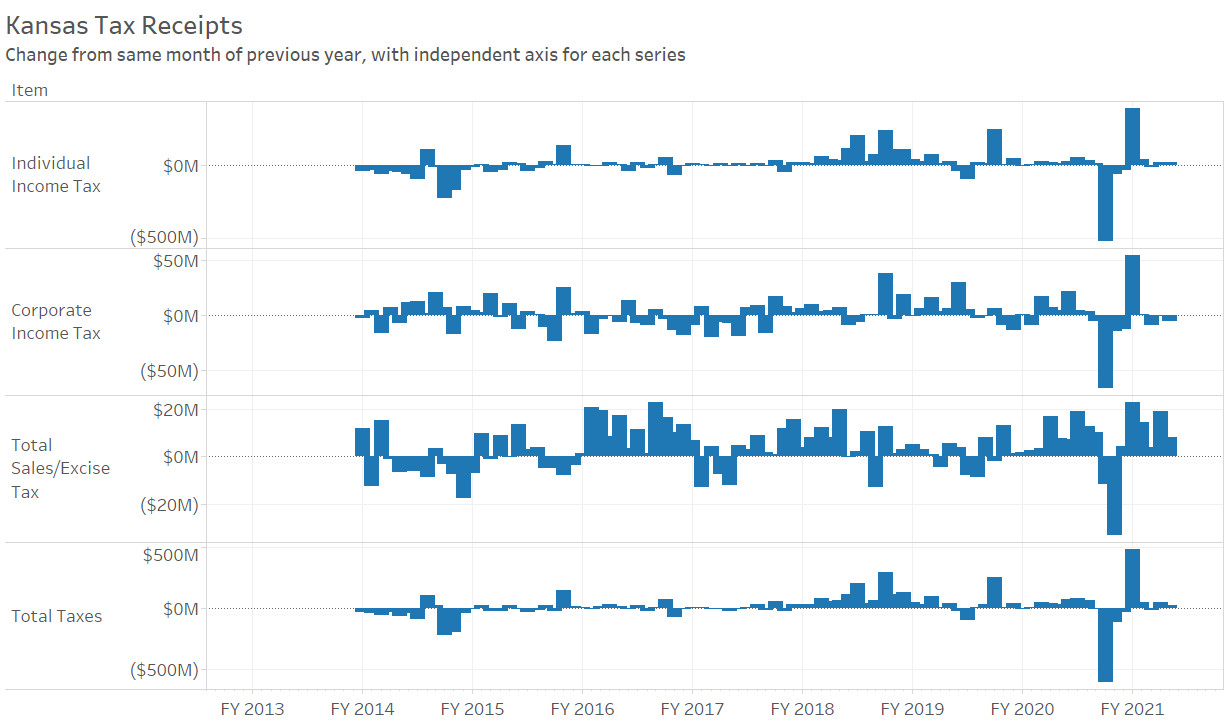
Kansas tax revenue, November 2020
For November 2020, total Kansas tax revenue was 4.3 percent greater than last November. Over the five months of the current fiscal year, tax revenue rose by 20.6 percent.
-
Kansas property tax reform proposed
The Kansas Policy Institute has released a proposal for property tax reform in Kansas that will protect property owners from what some call “stealth” tax increases. These increases result from the fact that the property tax system has two factors or moving parts: appraised valuations, and the mill levy (or tax rate). Governments — the…
-

Kansas budgeting “off the tops” is bad policy
Direct transfers of taxpayer money sent to a specific business or industry is always a tough sell to politicians, let alone the voting public. But, that is why some corporations pay lots of money to lobbyists, writes Steve Anderson for Kansas Policy Institute.
-
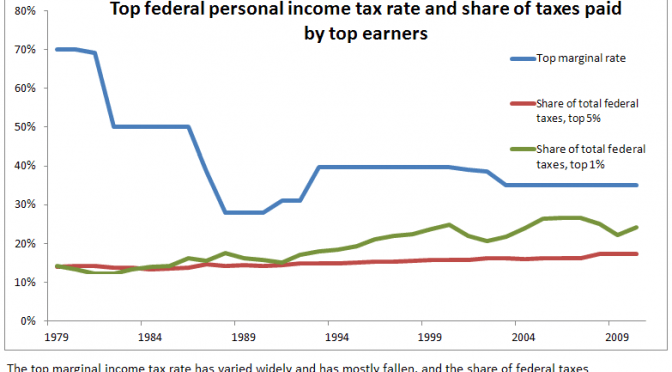
The relevance of income tax rates
Data shows that high tax rates on top earners doesn’t mean that they actually pay taxes at correspondingly higher rates.
-
CID and other incentives approved in downtown Wichita
The Wichita City Council approves economic development incentives, but citizens should not be proud of the discussion and deliberation.
-
Tax policies are not tomfoolery
Across the country, states like Kansas are looking for ways to become more economically competitive and grow their economy. Fortunately, Kansas appears to be on the right track.
-
Maximum taxes means minimum growth
Kansas has high taxes. Even worse, the high taxes are high property taxes that stifle capital formation and hold down wages. Two new studies rank Kansas at the bottom of this region when it comes to soaring property taxes. That should not be too surprising since Kansas and Nebraska are the two states that provide…