Tag: Bureau of Labor Statistics
-
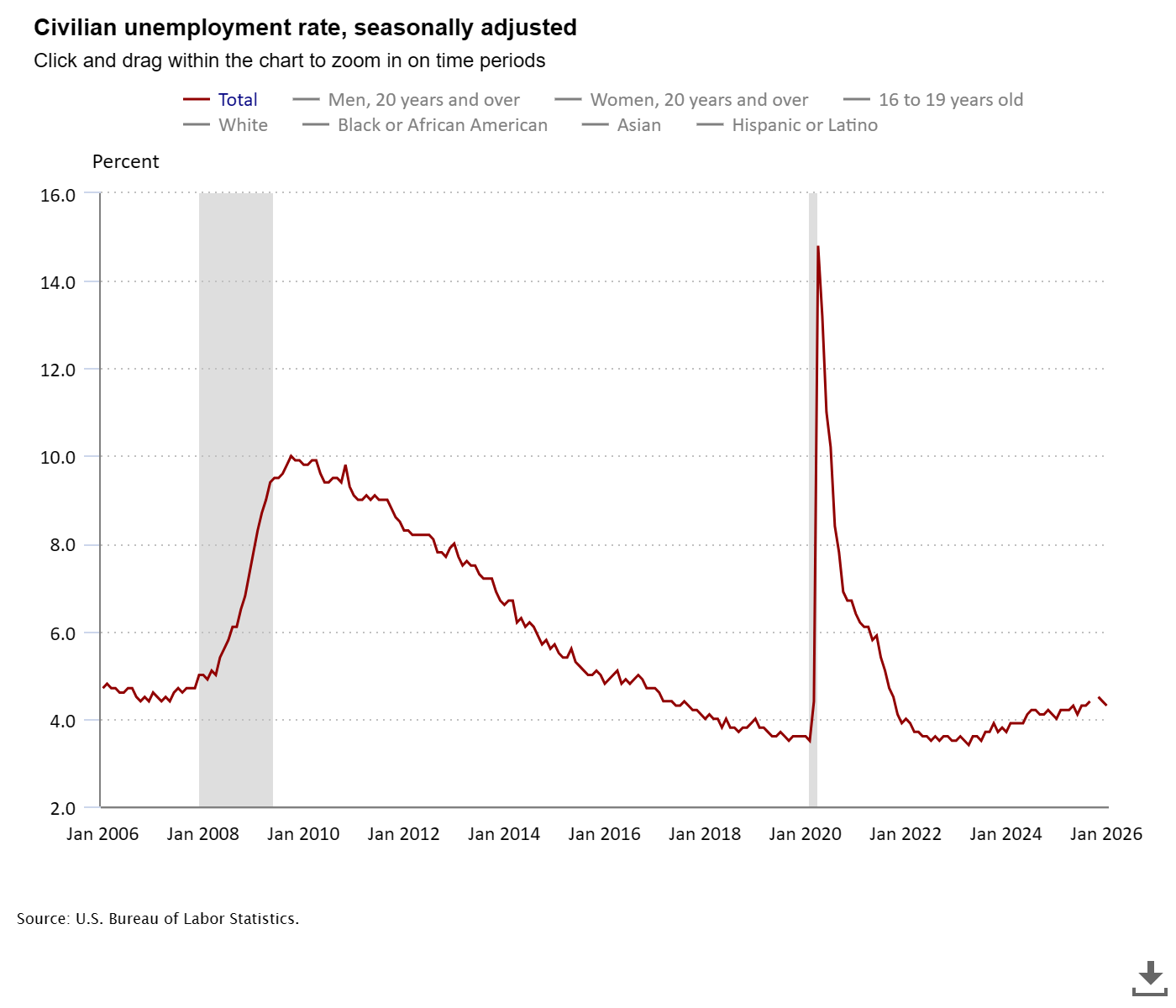
January 2026 Jobs Report: 130K Jobs Added, But Massive Revisions Reveal 2025 Was Far Weaker Than Reported
The U.S. added 130,000 jobs in January 2026 while the unemployment rate held steady at 4.3%. Health care, social assistance, and construction led gains, while federal government and financial activities cut jobs. Benchmark revisions sharply reduced 2025 job growth totals.
-
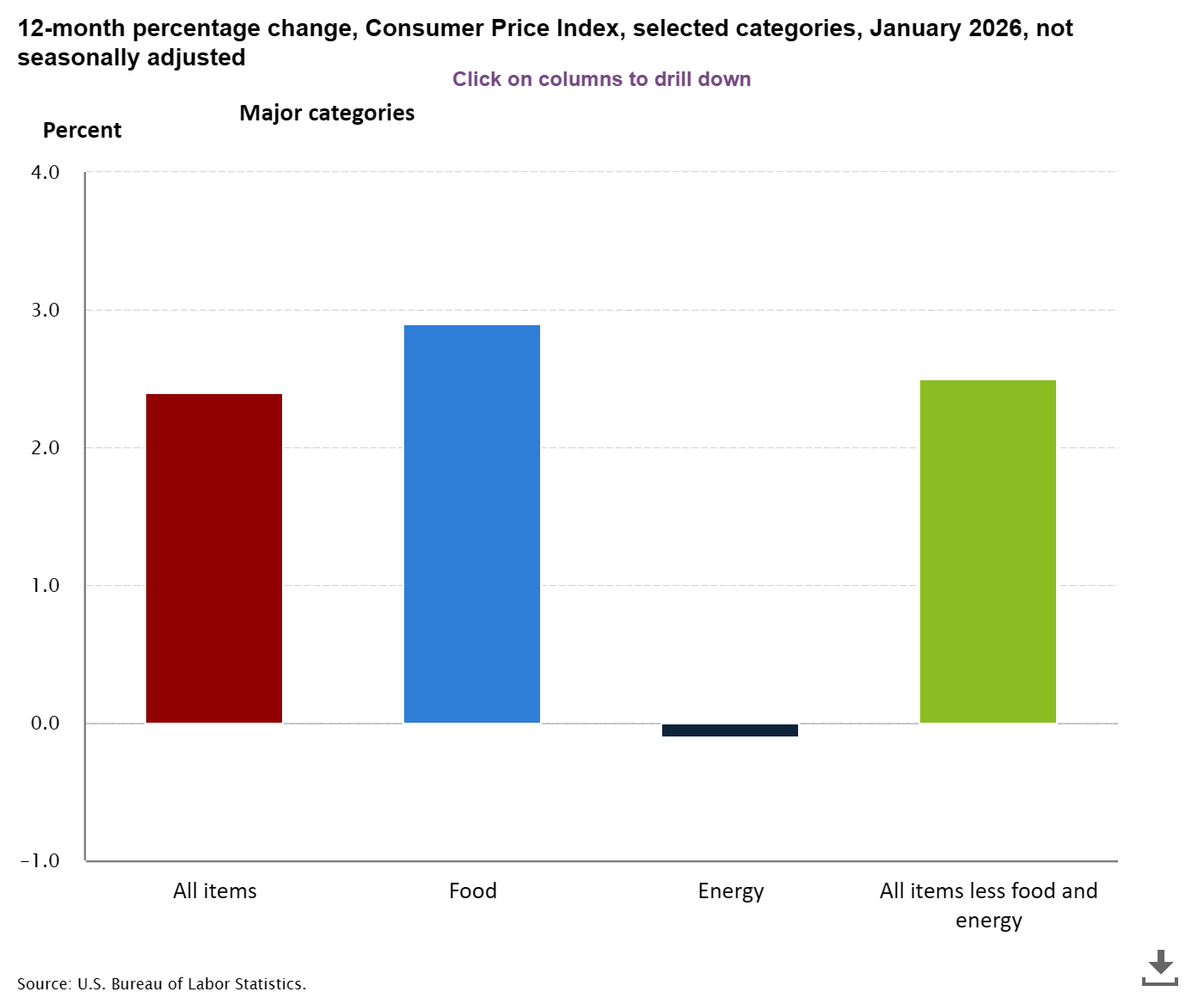
January 2026 Inflation Report: CPI Drops to 2.4% as Price Pressures Ease
The Consumer Price Index for January 2026 shows inflation continuing its gradual decline to 2.4% annually, down from 2.7% in December. While energy prices provided relief with gasoline down 3.2% for the month, housing costs and services inflation remain persistent challenges for American households.
-
Fact-Check: December 2025 Jobs Report – What the Data Really Shows vs. Administration Claims
The December 2025 jobs report shows 50,000 jobs added and 4.4% unemployment, but administration claims of “blockbuster growth” contradict economist consensus. Our analysis examines five major news sources to separate fact from spin on employment data.
-
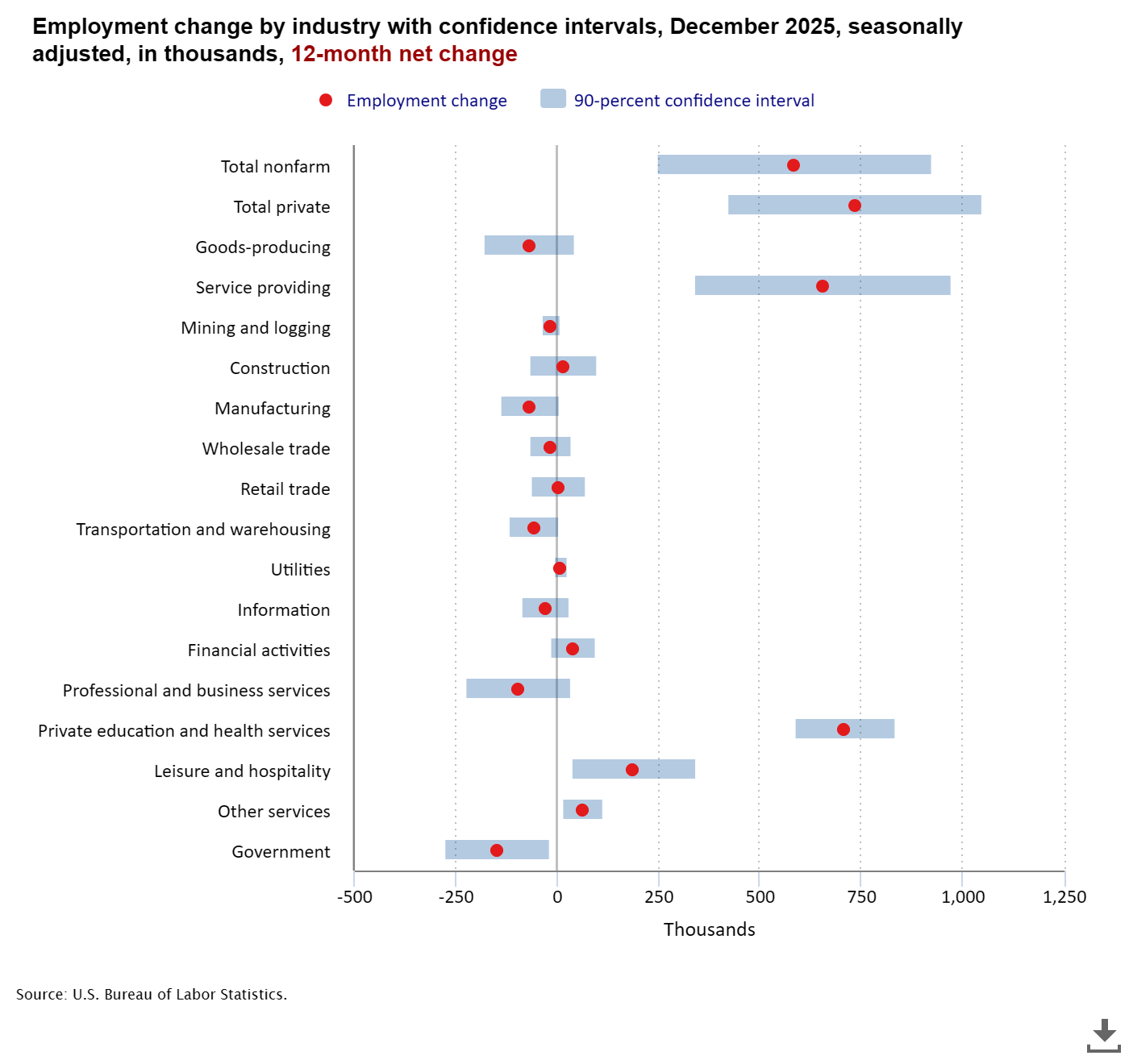
December 2025 Jobs Report: Only 50K Jobs Added as Labor Market Cools Dramatically from 2024
The December 2025 employment report reveals a significantly weakened labor market with only 50,000 jobs added and unemployment steady at 4.4 percent. The year saw just 584,000 total jobs created compared to 2 million in 2024, marking the slowest growth since the pandemic recovery.
-

State Job Openings and Labor Turnover — October 2025
The October 2025 state-level labor market data shows modest changes in job openings, hires, and separations across most states, with Alaska, Wyoming, and Montana seeing the most significant increases in job openings rates, while national rates remained largely unchanged despite complications from a federal government shutdown.
-
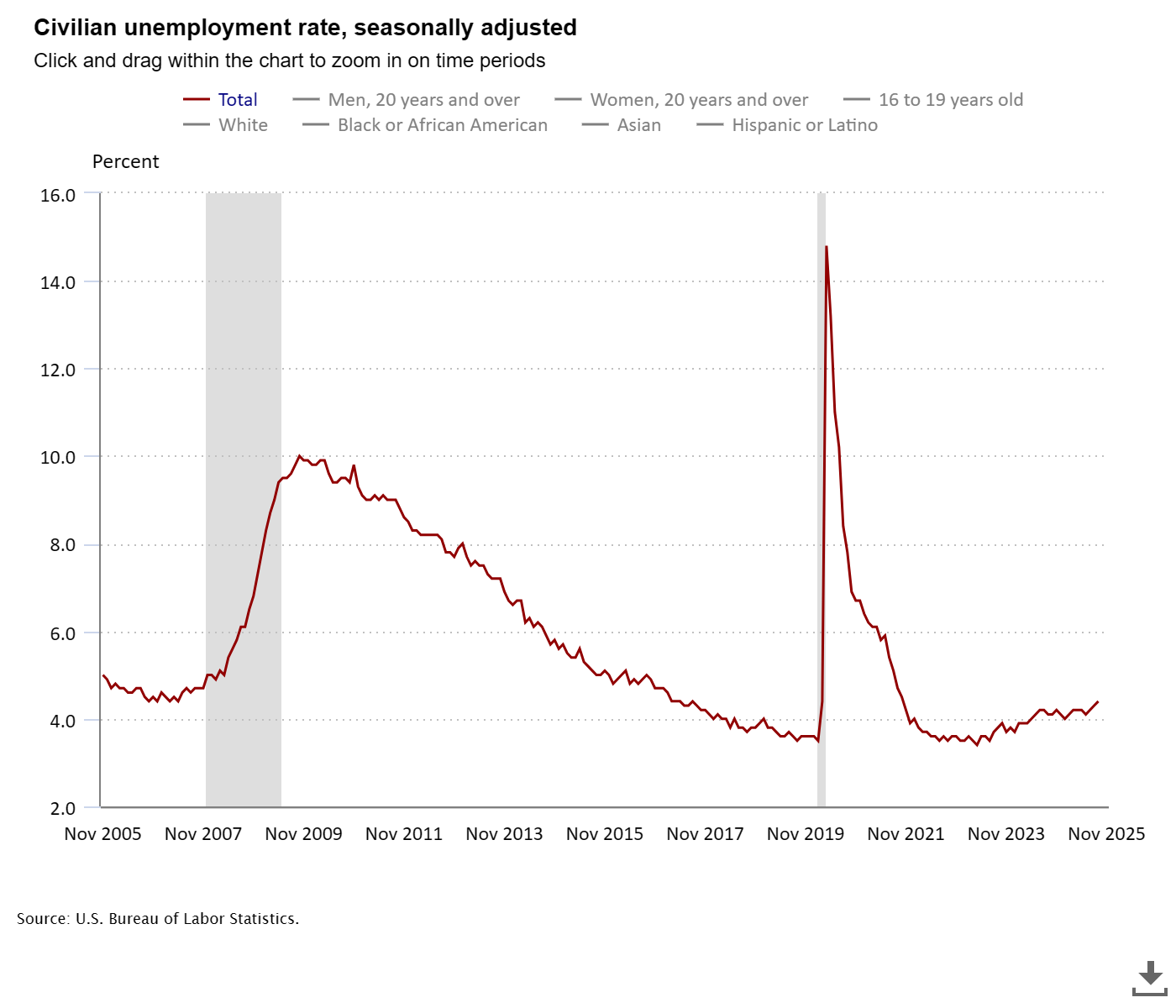
Employment Situation Report: November 2025
The November 2025 employment report reveals a stalling job market with only 64,000 positions added, unemployment climbing to 4.6%, and nearly one million more Americans forced into part-time work. Federal job cuts continued for the seventh month.
-
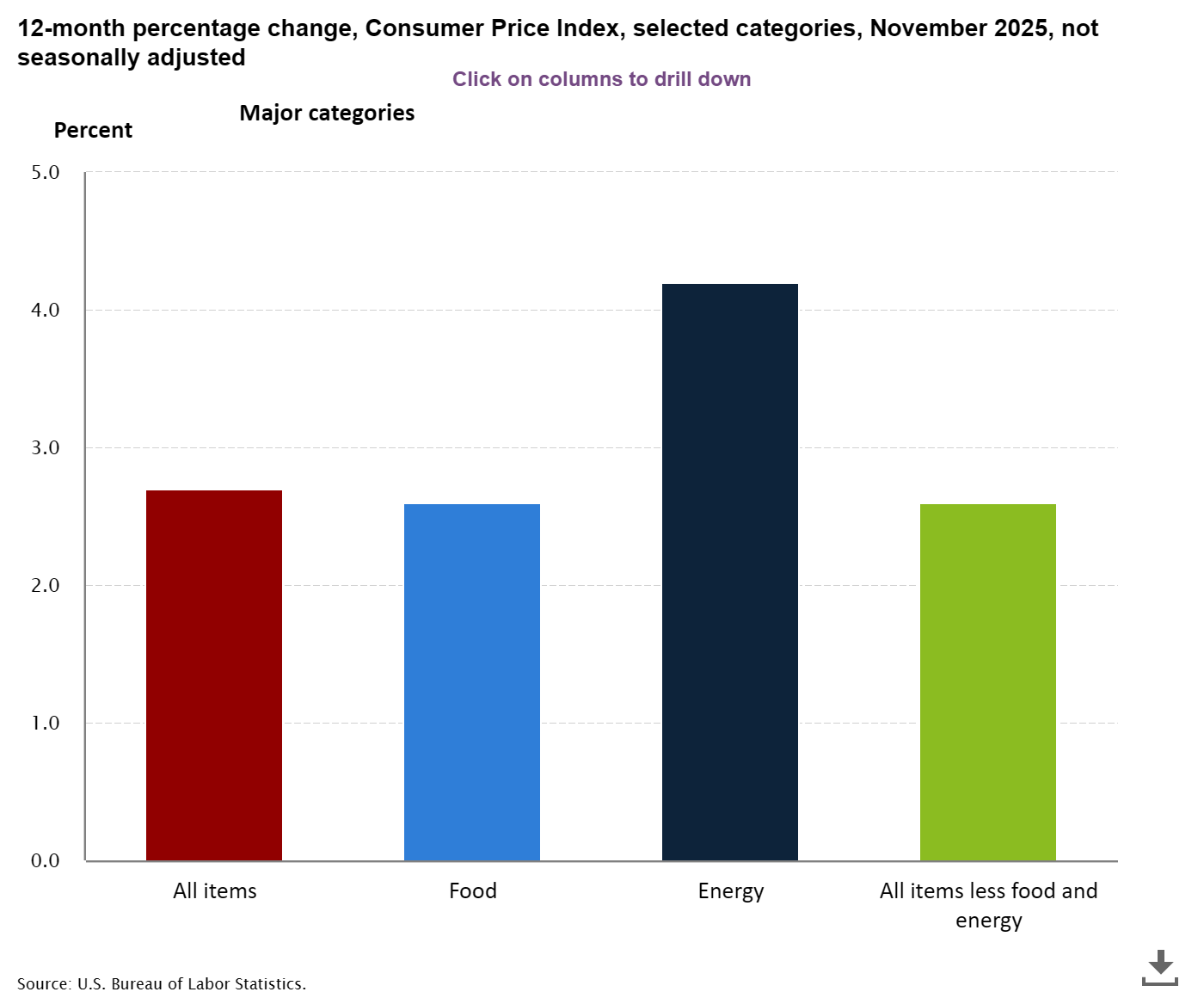
Consumer Price Index for November 2025: Inflation Holds Steady at 2.7 Percent Despite Government Shutdown Data Gap
The Consumer Price Index rose 2.7 percent over the 12 months ending November 2025, with a federal government shutdown in October disrupting normal monthly data collection and requiring the Bureau of Labor Statistics to report a two-month change instead.