Category: Economics
-
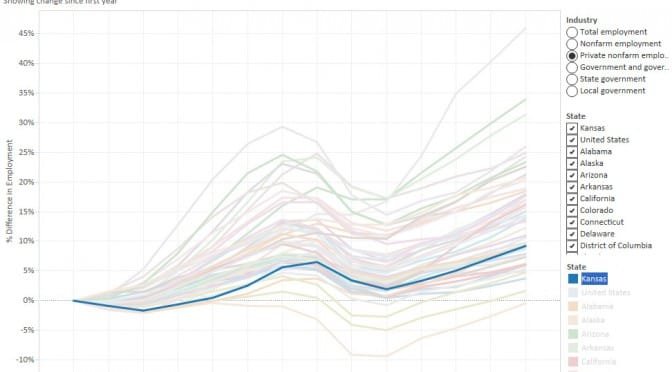
Employment by state and industry
An interactive visualization of employment in the states.
-

Employment by metropolitan area
An interactive visualization of employment in metropolitan areas.
-
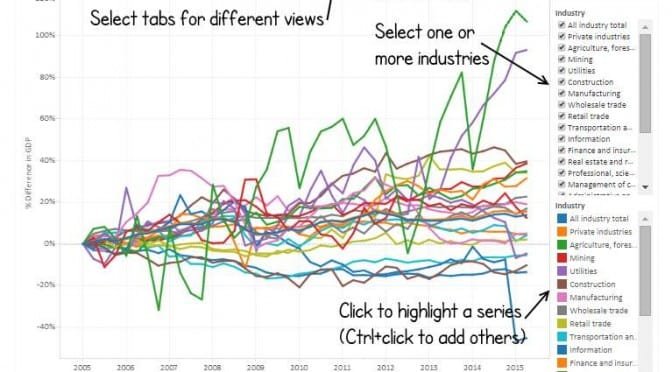
GDP by state and industry
An interactive visualization of a new data series from the Bureau of Economic Analysis.
-
Are we winning the war on poverty?
Can we say we’re winning America’s war on poverty?
-

Abengoa, Kansas ethanol plant operator, may seek bankruptcy
A company that has a taxpayer-guaranteed loan may be entering bankruptcy. Will taxpayers have to pay?
-
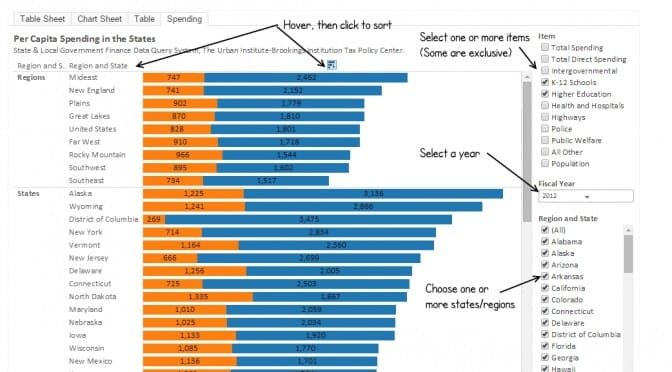
Spending in the states, per capita
An interactive visualization holding per-capita spending in several categories for each state.
-

In Depth with Walter Williams
This Sunday Dr. Walter E. Williams appeared on the C-SPAN program In Depth.
-

Kansas fiscal experiment
Those evaluating the Kansas fiscal “experiment” should consider what is the relevant input variable.
-
Wichita officials, newspaper, just don’t get it on Ex-Im Bank
Wichita’s establishment prefers cronyism over capitalism.
-

Bombardier can be a learning experience
The unfortunate news of the cancellation of a new aircraft program can be a learning opportunity for Wichita.
-
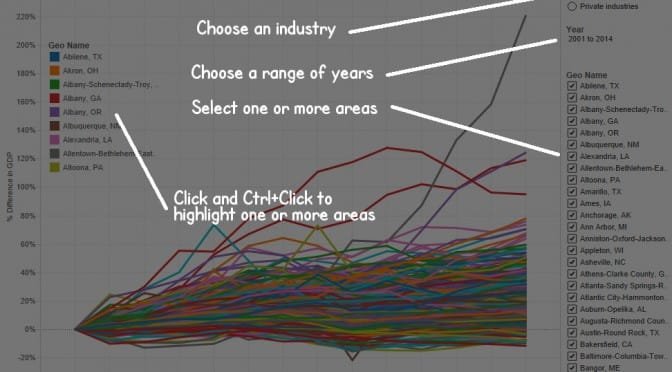
Wichita’s growth in gross domestic product
An interactive visualization of gross domestic product for metropolitan areas.
-

Video: Jeffrey Tucker, ‘Bit by Bit: How P2P Is Freeing the World’
Jeffrey A. Tucker, Director of Digital Development at the Foundation for Economic Education, talks about his new book, “Bit by Bit: How P2P Is Freeing the World” in this presentation at the Wichita Pachyderm Club.