Category: Kansas state government
-
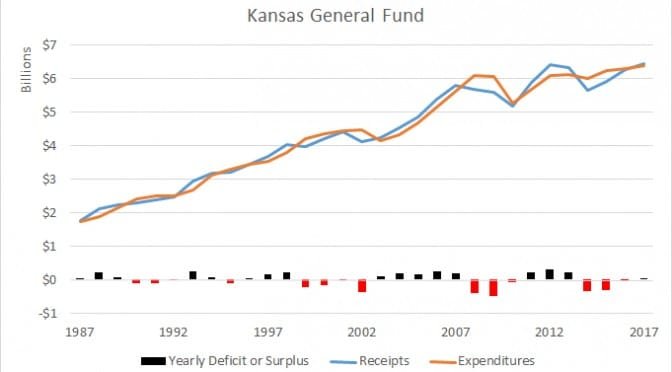
Kansas General Fund
Nominal dollar values. Click charts for larger versions.
-
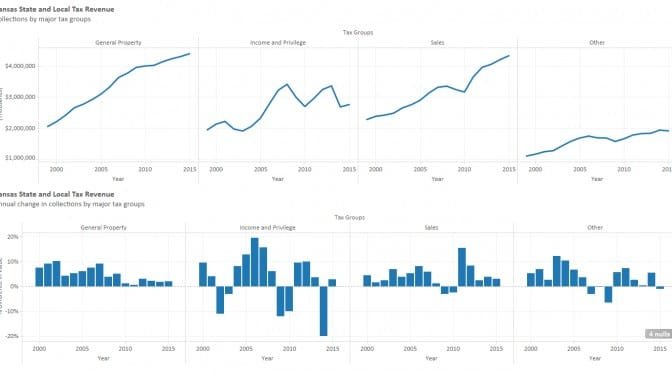
Kansas state and local tax revenue
Kansas state and local tax revenue
-

Kansas legislative resources
Citizens who want to be informed of the happenings of the Kansas Legislature have these resources available.
-

Availability of testimony in the Kansas Legislature
Despite having a website with the capability, only about one-third of standing committees in the Kansas Legislature are providing written testimony online.
-
Kansas General Fund
Click here for an updated version of this article.
-

A simple step for transparency in Kansas government
There exists a simple and inexpensive way for the Kansas Legislature to make its proceedings more readily available.
-
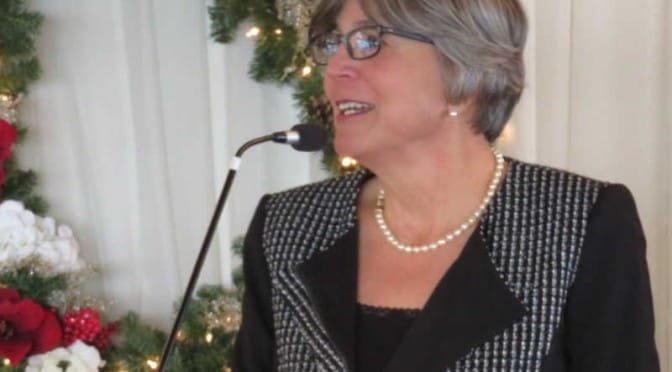
Kansas Senate President Susan Wagle
Kansas Senate President Susan Wagle spoke to members and guests of the Wichita Pachyderm Club on Friday December 18, 2015.
-
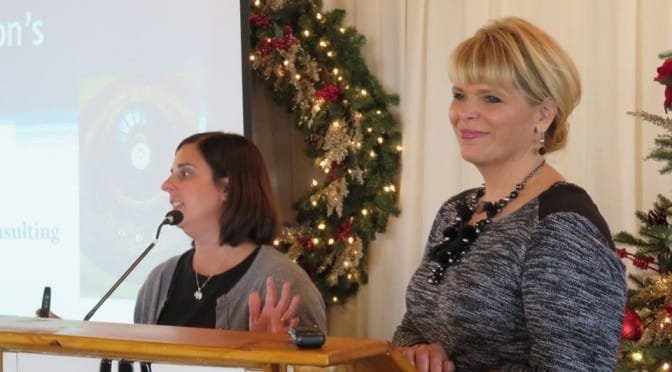
Kansas Legislature and Elections: 2016 Preview
Natalie Bright and Marlee Carpenter of Bright and Carpenter Consulting briefed the Wichita Pachyderm Club on the results of the 2015 session of the Kansas Legislature, and what to look for in next year’s session and elections.
-

CBPP pushes political viewpoint as economic analysis
The Center on Budget & Policy Priorities (CBPP) is at it again, pushing their political viewpoint disguised as economic analysis, writes Dave Trabert of Kansas Policy Institute.
-

Mike O’Neal, President of Kansas Chamber of Commerce
Mike O’Neal, President of Kansas Chamber of Commerce, spoke at the Wichita Pachyderm Club on October 9, 2015. His topic was “The Kansas Budget and Taxes: The 2015 Legislative Session and Looking Ahead to the 2016 Legislative Session.” This is an audio presentation.
-

Sales tax exemptions in Kansas
Can eliminating sales tax exemptions in Kansas generate a pot of gold?
-

Kansas State Treasurer Ron Estes on KPERS
Kansas State Treasurer Ron Estes gave a presentation on the status of KPERS, the Kansas State Employees Pension System.