Tag: Bureau of Labor Statistics
-

August 2026 CPI: Inflation Moderating, Energy Prices Drive the Numbers
Inflation is moderating, but energy volatility remains the wildcard. August’s 3.4% year-over-year increase is down from April’s 4.2% peak, and monthly momentum is near zero. Core inflation at 2.4% is nearly at the Federal Reserve’s 2% target.
-
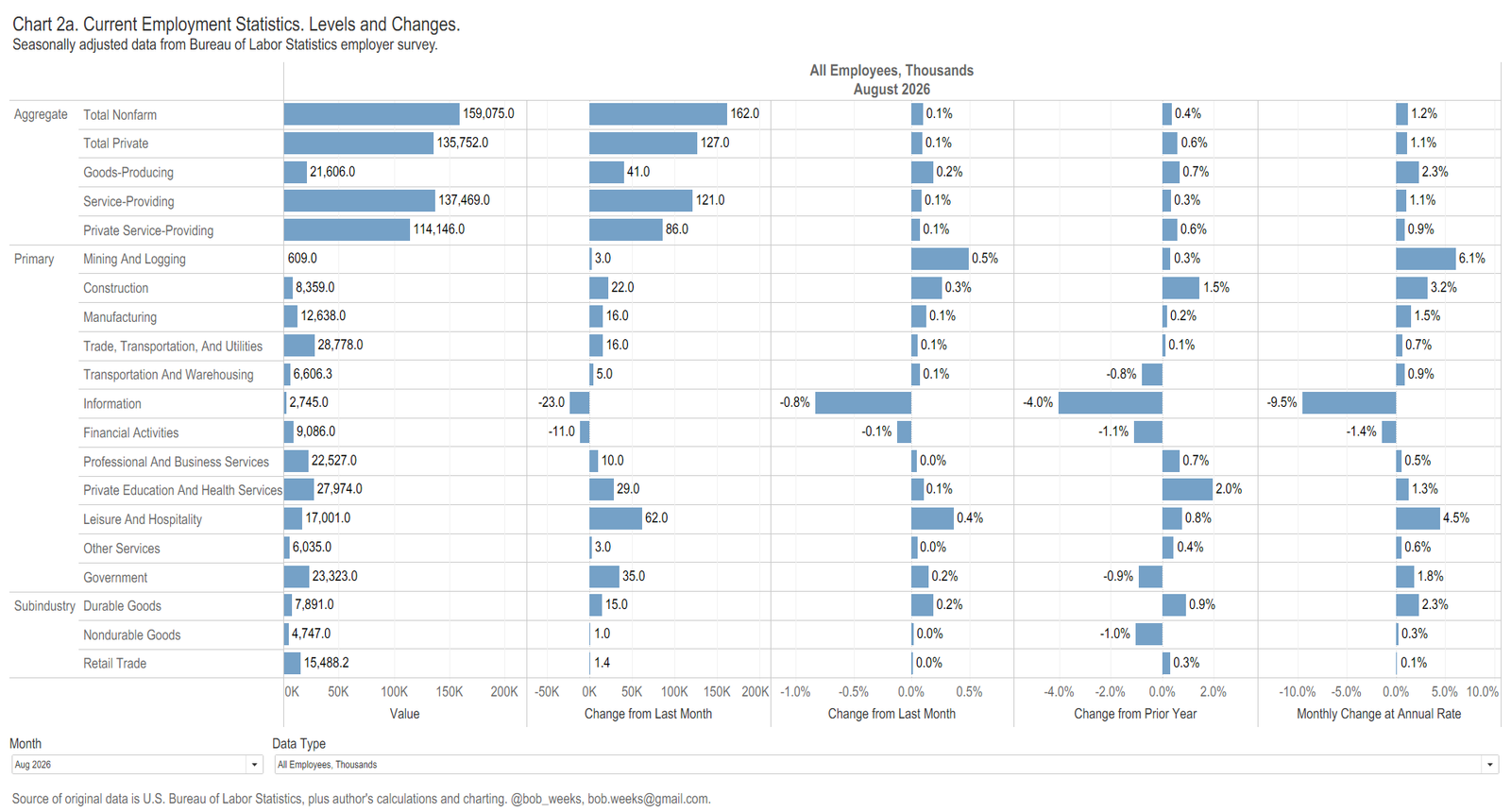
August 2026 Jobs Report: Growth Slowing as Labor Market Cools
August 2026 employment grew 162,000 jobs and unemployment held at 4.1%. A slowdown from spring suggests the labor market is easing, with tech sector weakness offsetting modest gains in services.
-
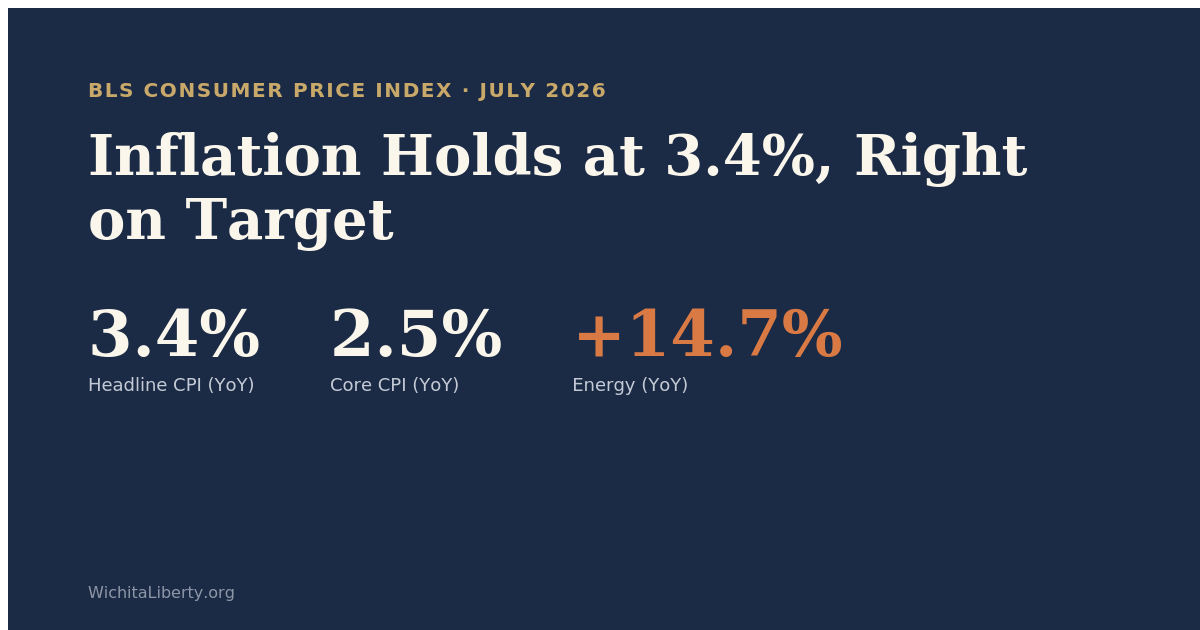
July CPI Holds at 3.4%: Inflation Matches Forecasts as Energy Spike Fades, But the Fed Faces a Split Decision
July’s CPI report came in exactly as economists expected: 3.4% annual inflation, core prices at 2.5%. Energy’s spring spike is fading from the numbers, but a weak jobs report complicates the Fed’s next move.
-
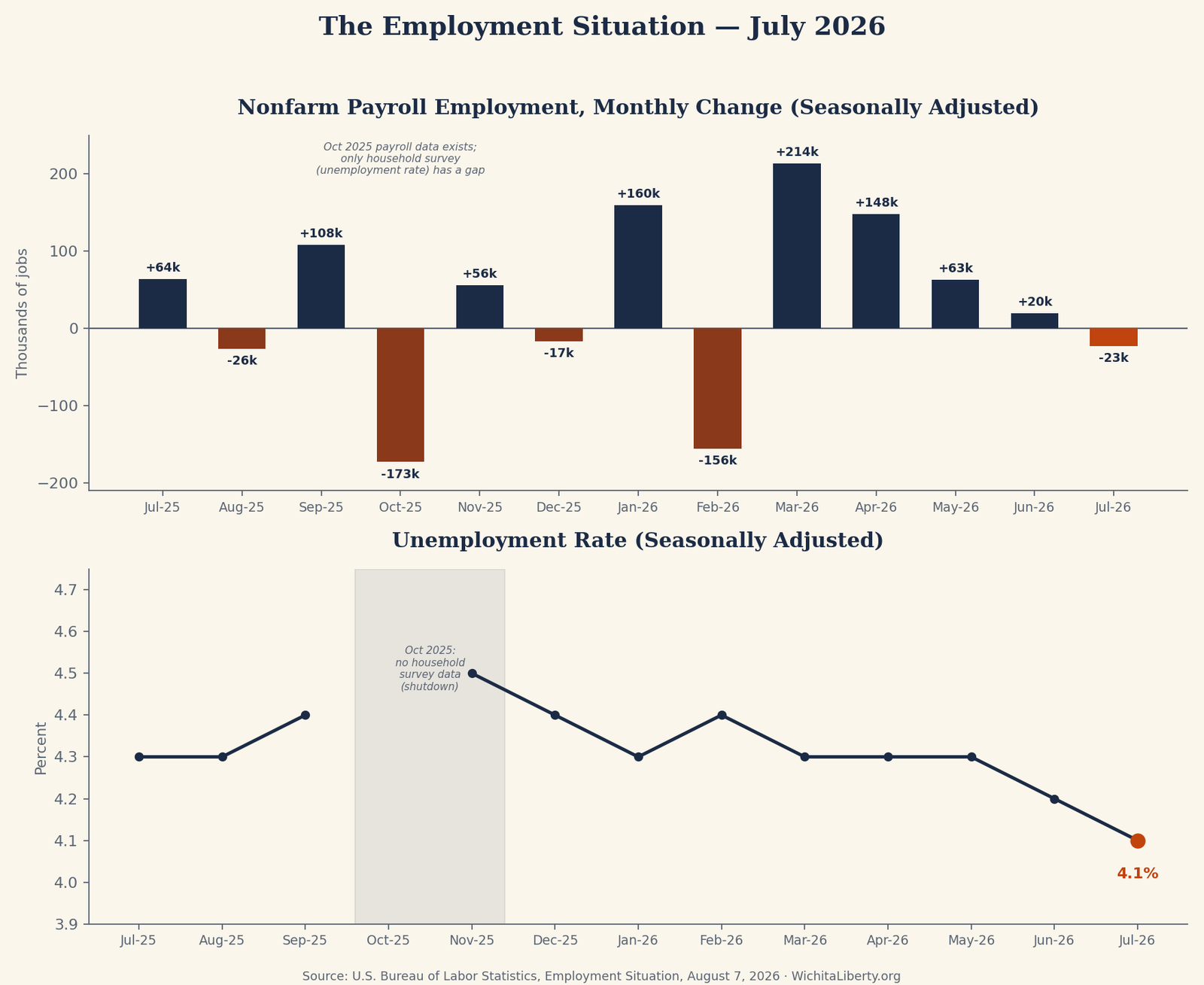
July Jobs Report: Payrolls Fall 23,000 as Labor Market Loses Momentum
The economy lost 23,000 jobs in July, a stunning miss versus forecasts near 83,000. Add in 103,000 in downward revisions to May and June, and the labor market looks far weaker than it did a month ago.
-
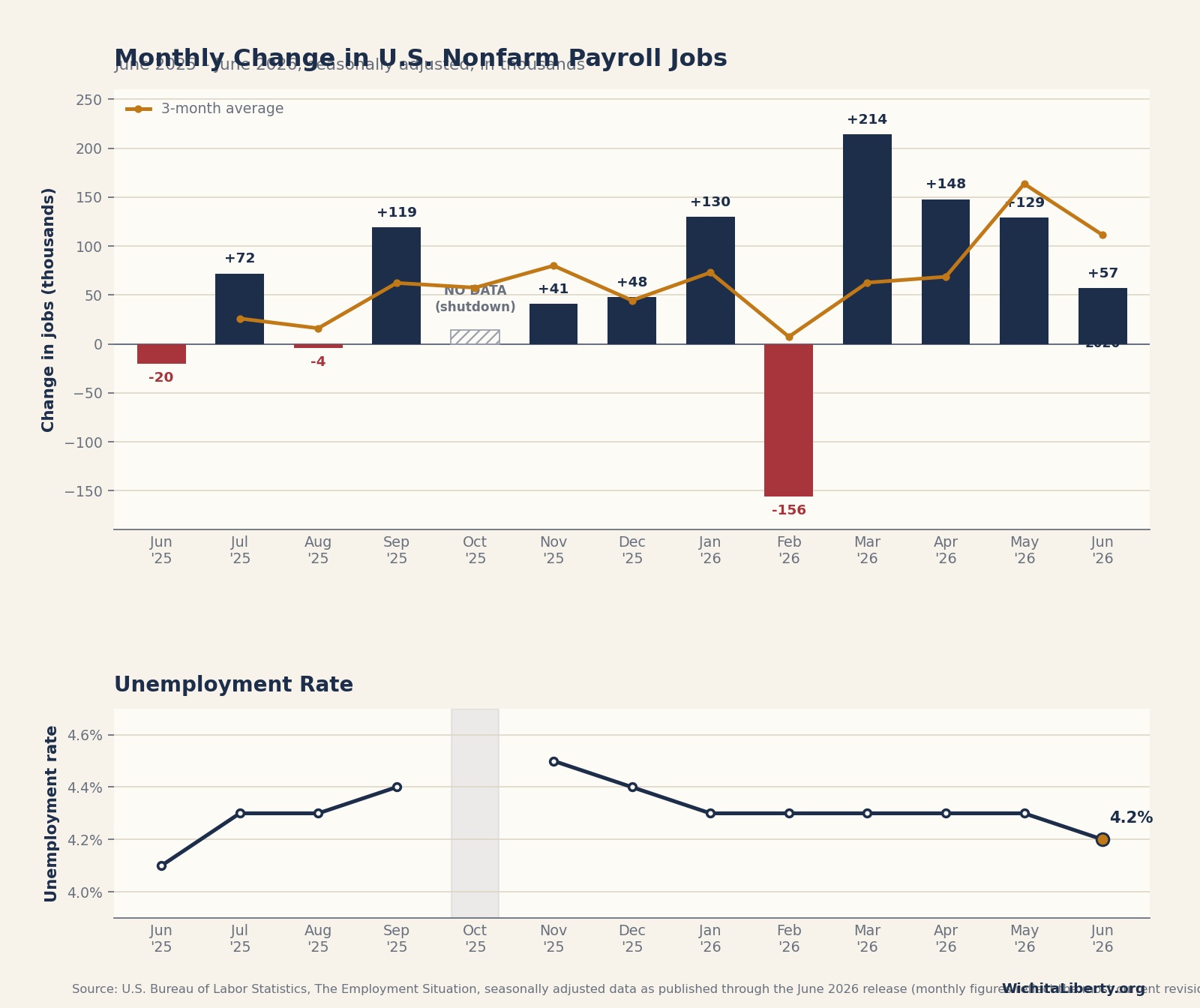
June Jobs Report: Hiring Slows Sharply, But the Unemployment Rate Drop Isn’t What It Looks Like
Payrolls rose just 57,000 in June, half of what forecasters expected, while April and May were revised down a combined 74,000. The unemployment rate hit a one-year low — but for a reason that isn’t actually good news.
-
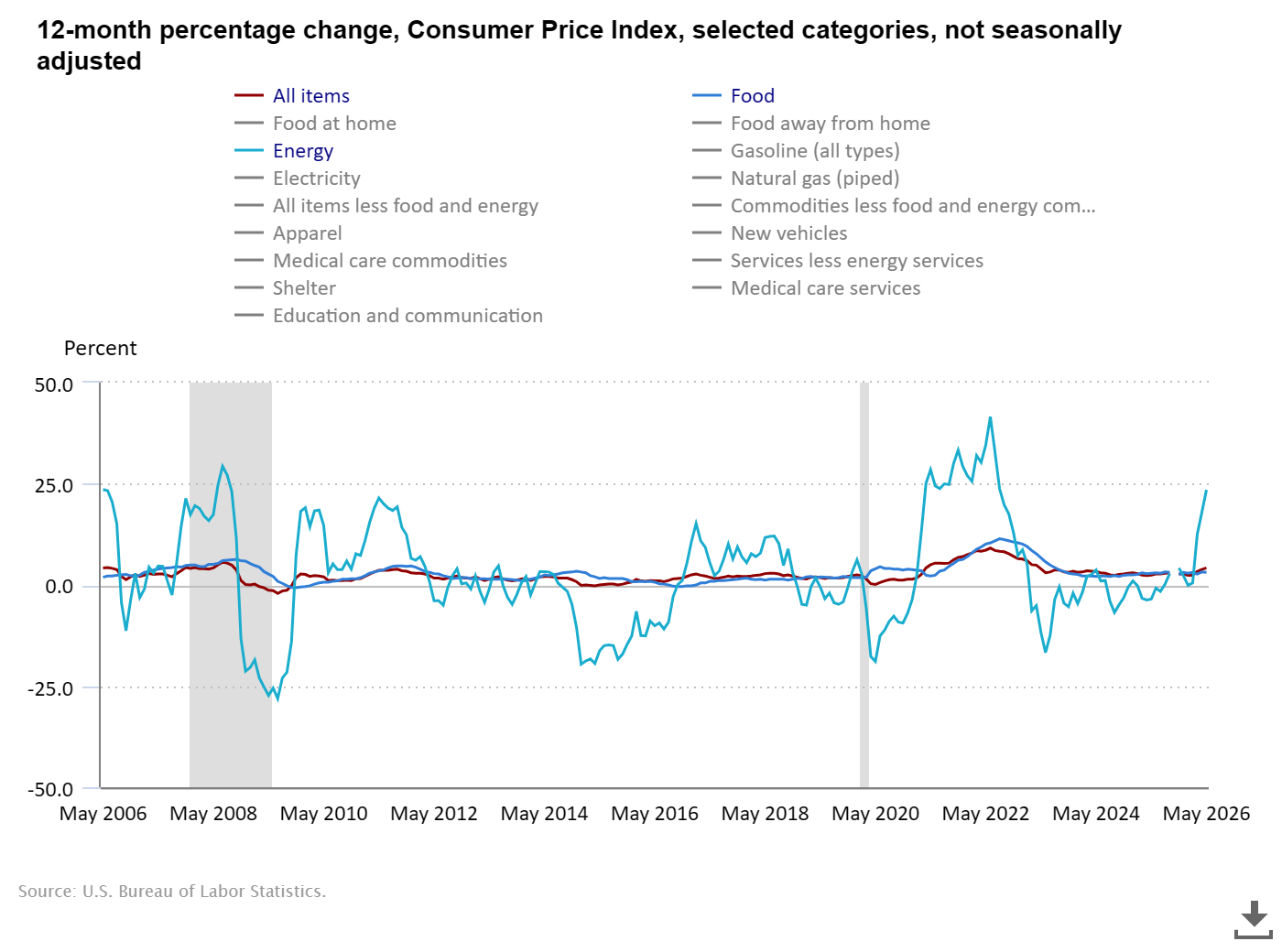
Inflation Hits 4.2% in May — Highest in Three Years. Here’s What’s Driving It
The May 2026 Consumer Price Index hit 4.2% year-over-year, the highest inflation reading since April 2023 and almost entirely driven by an energy price spike from the Middle East conflict. But strip out food and energy, and core inflation is a much calmer 2.9% — a critical nuance most coverage misses.
-
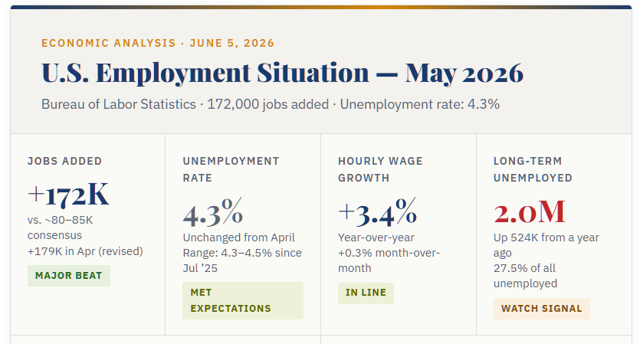
May 2026 Jobs Infographic
The May 2026 jobs report delivered a major upside surprise: 172,000 jobs added against forecasts of 80,000–105,000.
-
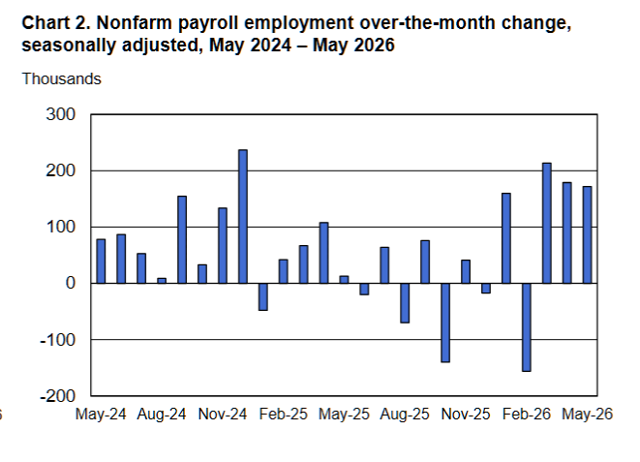
May 2026 Jobs Report: Economy Adds 172,000 Jobs
The May 2026 jobs report delivered a major upside surprise: 172,000 jobs added against forecasts of 80,000–105,000. Prior months were also revised up by a combined 93,000. Here’s a plain-English breakdown of who’s hiring, who’s losing ground, and what it means for interest rates.
-
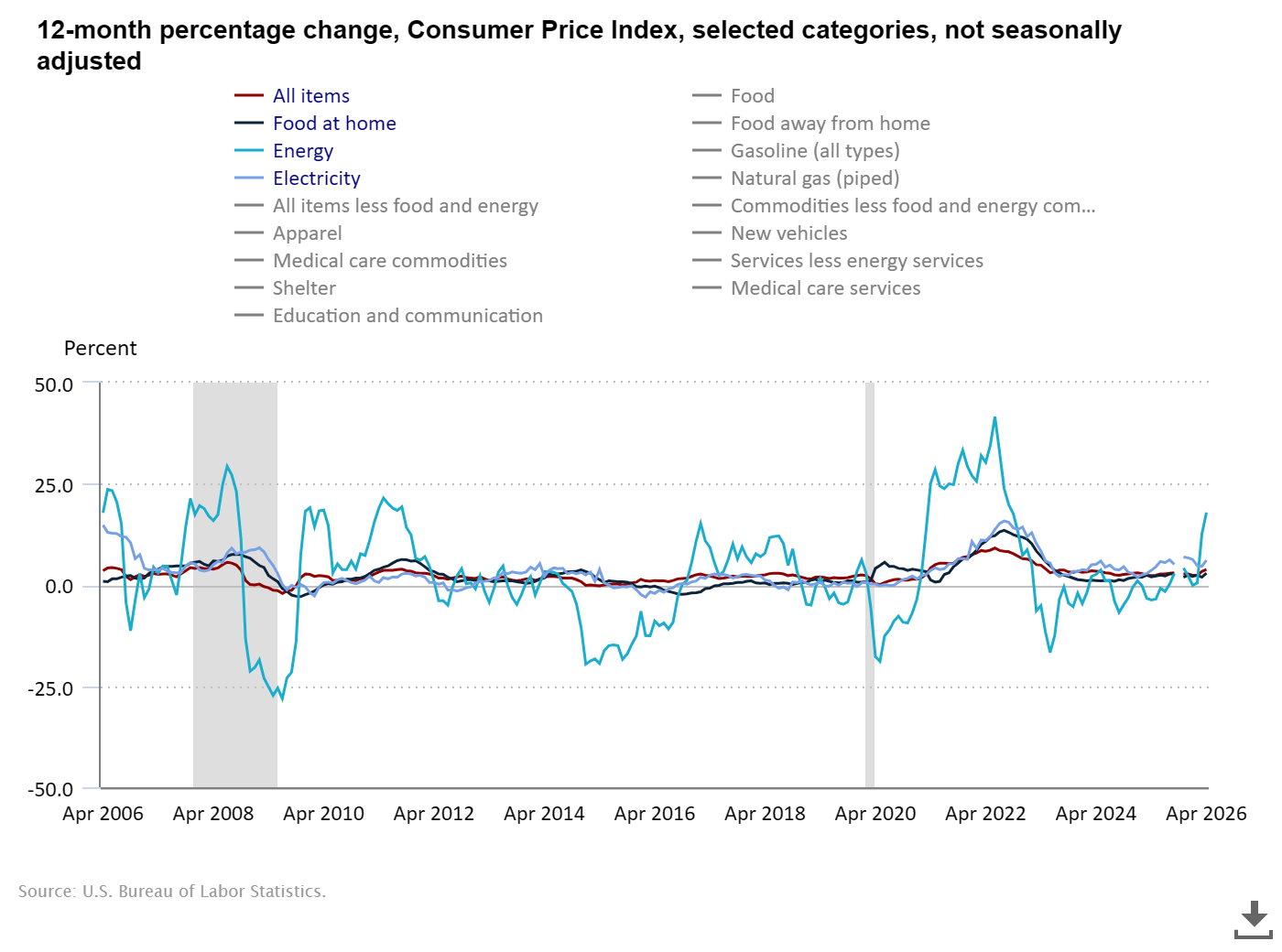
Inflation Accelerated in April 2026: Energy Prices Drive CPI to 3.8% — Highest in Three Years
Inflation accelerated sharply in April 2026, with consumer prices rising 3.8% over the past year — the fastest pace since May 2023. Energy costs, led by a 28.4% annual surge in gasoline, drove more than 40 cents of every dollar of monthly price growth.
-
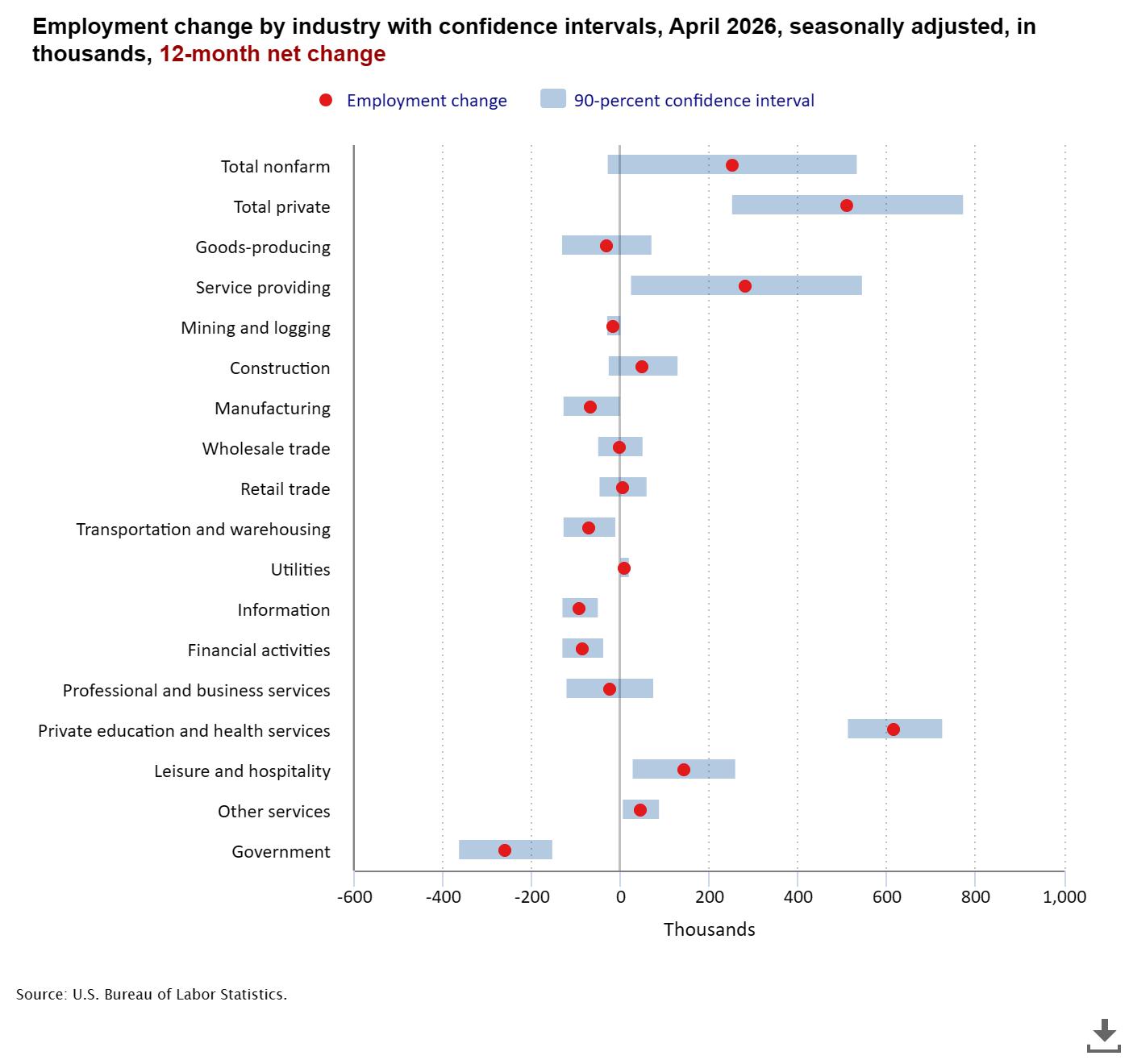
April 2026 Jobs Report: Hiring Slows Sharply as Federal Cuts Mount
The April 2026 jobs report delivered a clear warning: U.S. hiring is slowing fast. Employers added only 115,000 jobs last month, well short of expectations, while the three-month average has tumbled to just 48,000 — the weakest sustained pace in years.
-
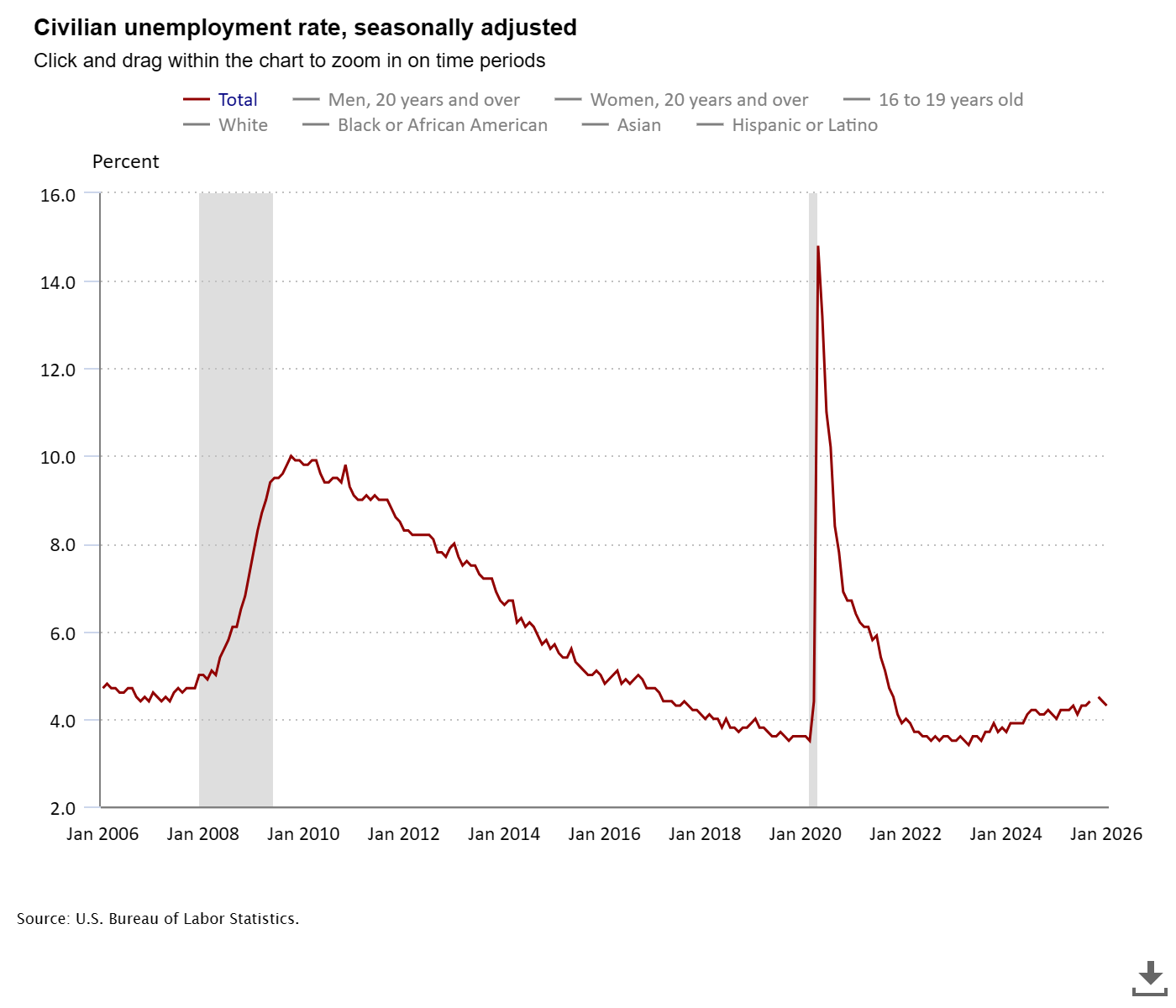
January 2026 Jobs Report: 130K Jobs Added, But Massive Revisions Reveal 2025 Was Far Weaker Than Reported
The U.S. added 130,000 jobs in January 2026 while the unemployment rate held steady at 4.3%. Health care, social assistance, and construction led gains, while federal government and financial activities cut jobs. Benchmark revisions sharply reduced 2025 job growth totals.
-
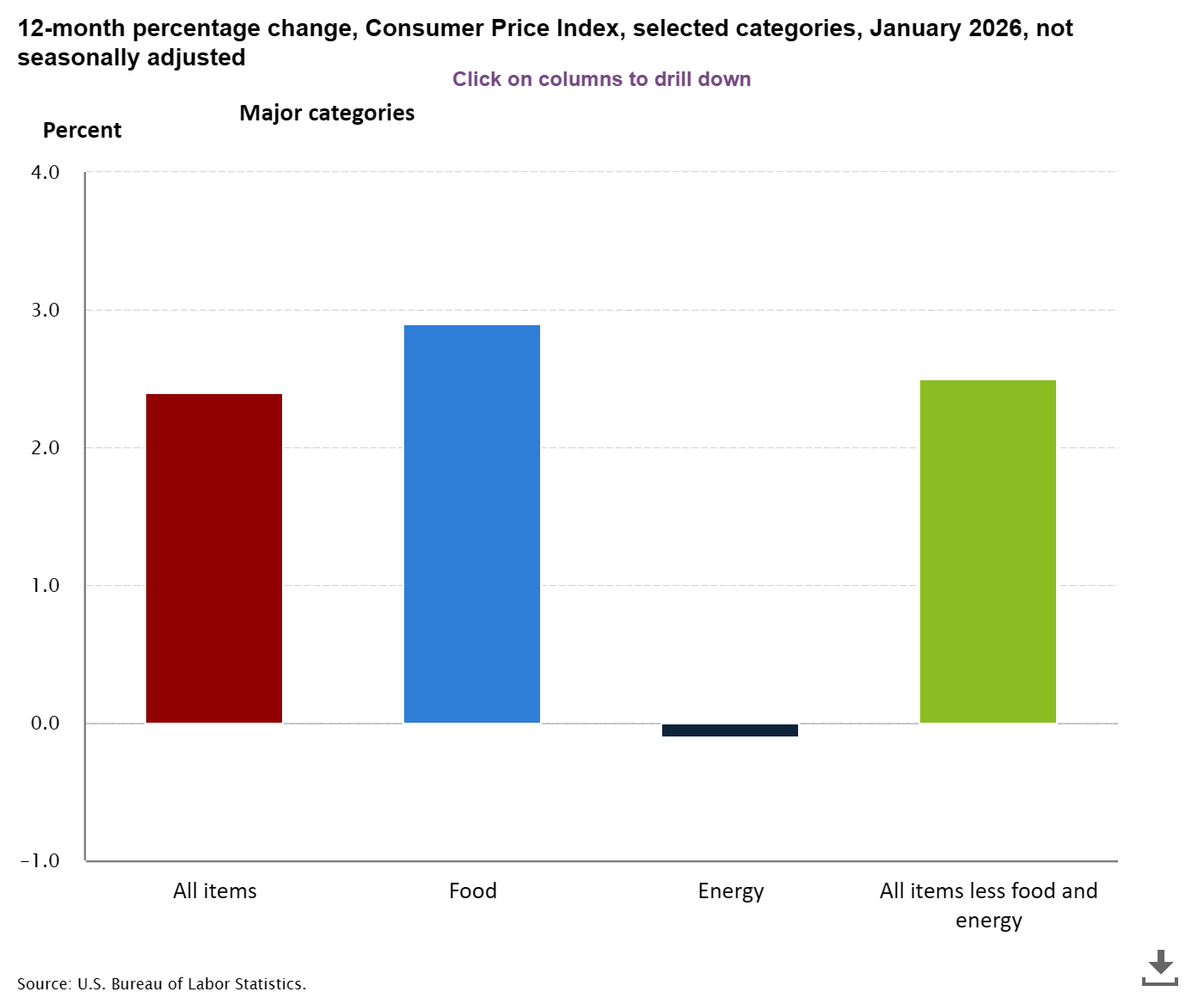
January 2026 Inflation Report: CPI Drops to 2.4% as Price Pressures Ease
The Consumer Price Index for January 2026 shows inflation continuing its gradual decline to 2.4% annually, down from 2.7% in December. While energy prices provided relief with gasoline down 3.2% for the month, housing costs and services inflation remain persistent challenges for American households.