Tag: Trump rhetorical analysis
-
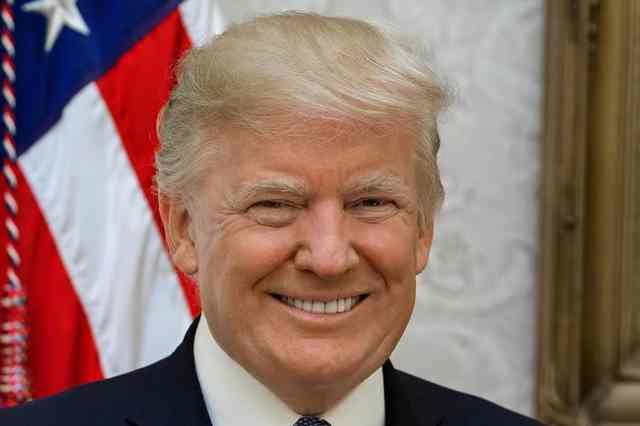
Trump’s Final Rallies: A Psychological and Rhetorical Analysis of Dubuque and Salina (Nov. 1, 2026)
Two rallies, one closing script. This Trump final rallies psychological analysis examines the grandiosity, conditional rewards and joke-then-retreat habits in his Dubuque, Iowa and Salina, Kansas speeches two days before the midterms.
-
Psychological and Rhetorical Analysis: Trump’s Press Gaggles, Oct. 19–24, 2026
Our Trump press gaggle psychological analysis examines eight Oct. 19-24 encounters, from the “dummy” insult to the Acton ad answer, the shifting Starlink story and the Camp Lejeune money threat.
-
Psychological and Rhetorical Analysis: Trump’s Four Rallies in North Carolina, South Carolina, Iowa and Florida (Oct. 20–23, 2026)
Four rallies, one script. This Trump rally speeches psychological analysis examines the grandiosity, loss-framed rewards and joke-then-retreat habits in his North Carolina, South Carolina, Iowa and Florida speeches.
-
Psychological and Rhetorical Analysis: Trump’s October 2026 Midterm Rally Tour
Five rallies, one template. This Trump rally rhetorical analysis maps the fear appeals, transactional promises and grievance that power his 2026 midterm closing argument, and what they reveal about the speaker.
-
Trump in Vandalia: A Psychological and Rhetorical Analysis of His October 3 Midterm Rally
In Vandalia, Trump asked Ohioans to pretend he was on the ballot. This Trump Vandalia rally rhetorical analysis maps the threat-and-rescue structure, the snake parable, and the big-number anchoring behind a speech built to drive turnout.
-
Psychological and Rhetorical Analysis: Trump’s Denton, Durant and Mobile Speeches
Across Denton, Durant and Mobile, Trump ran the same playbook: praise the room, recite records, warn of catastrophe, then promise a reward. This two-track analysis maps the psychology and persuasion behind it.
-
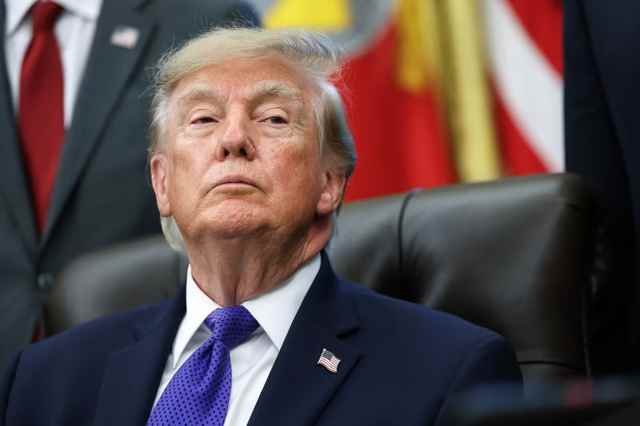
Psychological and Rhetorical Analysis: Trump’s September 28 TIME Interview
This Trump TIME interview rhetorical analysis decodes how credit-seeking and grievance run side by side in his answers, and the persuasion techniques behind them.
-
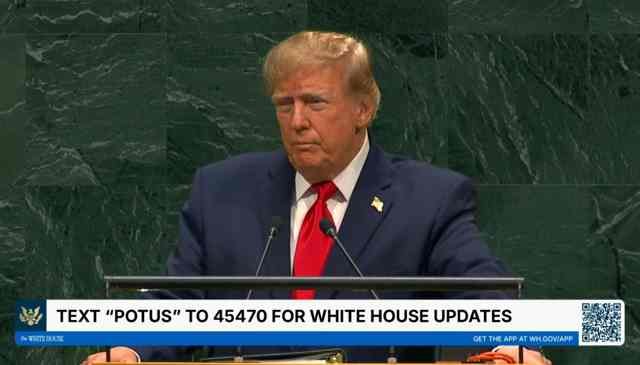
Psychological and Rhetorical Analysis: Trump’s Address to the 81st UN General Assembly
Trump’s UN General Assembly address swung from economic triumph to threats of “annihilation” to sentimental grief within minutes. This analysis decodes the psychological patterns and persuasion architecture behind the speech.
-
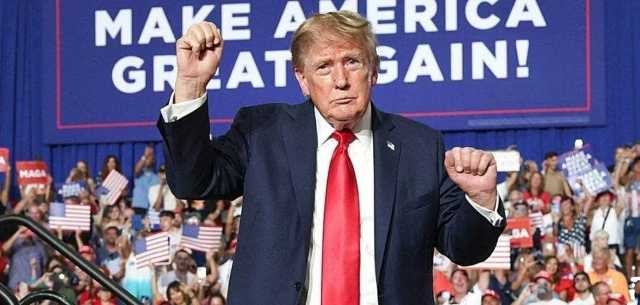
Grandiosity, Grievance, and “The Snake”: A Psychological and Rhetorical Analysis of Trump’s Myrtle Beach Rally
Trump’s Myrtle Beach rally fused an endorsement of Sen. Darline Graham with grandiosity, victimhood, and fear appeals. This two-track analysis decodes the psychology and persuasion architecture behind it.
-
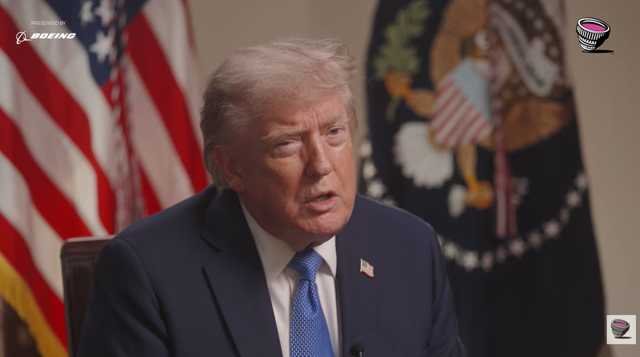
Political Psychology & Rhetorical Analysis: Trump’s Punchbowl News “Flyout Day” Interview
A two-track psychological and rhetorical analysis of Trump’s Punchbowl News interview, decoding grandiosity, grievance framing, and the fear-appeal architecture behind his midterm messaging.
-
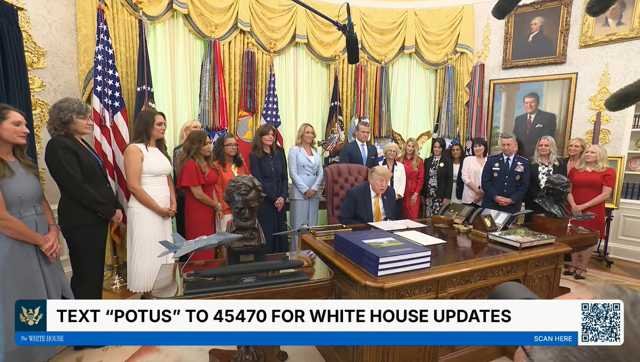
Psychological and Rhetorical Analysis: Trump’s Military Spouse Commission Press Conference
Trump’s ceremony for military spouses became a case study in grandiosity, victimhood, and press loyalty tests. This two-track analysis decodes the psychological patterns and persuasion techniques beneath the remarks.
-

Psychological and Rhetorical Analysis: Trump’s GM Proving Grounds Speech, July 27, 2026
Trump told Michigan autoworkers “the golden age is upon us.” This two-track analysis decodes the psychological patterns — grandiosity, victimhood, us-versus-them thinking — and the fear-appeal rhetoric built to move the crowd.