Tag: Trump rhetorical analysis
-

Trump’s WHCA Dinner Speech: A Psychological and Rhetorical Analysis
Trump’s rescheduled WHCA dinner speech, dissected in two tracks: what it reveals psychologically, and how it’s engineered to work on its audience — from grandiosity to fear appeals to a fourth-term trial balloon.
-

Psychological and Rhetorical Analysis: Trump’s July 22, 2026 Remarks in Marietta, Georgia
Trump’s July 2026 Marietta rally mixed grandiose economic claims, a raw grief narrative, and escalating communism rhetoric. This two-track analysis decodes the psychological patterns and persuasion architecture behind it.
-

Psychological and Rhetorical Analysis: Trump’s July 16, 2026 Primetime Address
Trump’s July 16 election-security address moves from grandiose economic claims to a conspiracy narrative in three acts. This analysis maps the psychological patterns and persuasion techniques driving it.
-
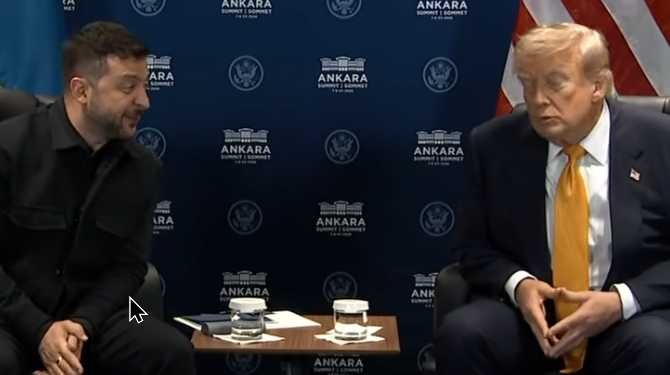
Political Psychology & Rhetorical Analysis: Trump’s July 8, 2026 Media Availability With Zelenskyy in Ankara
political rhetoric analysis, Trump rhetorical analysis, Trump Ankara rhetorical analysis, political psychology, persuasion techniques, illusory truth effect, fear appeals political speech, Cialdini influence principles, Trump Zelenskyy NATO summit 2026, dehumanizing rhetoric Iran
-
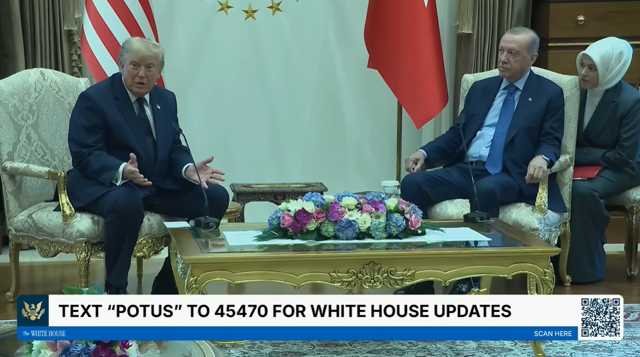
Psychological and Rhetorical Analysis: Trump-Erdoğan Bilateral Meeting, Ankara, July 7, 2026
Trump’s Ankara meeting with Erdoğan blends grandiosity, grievance, and loyalty-testing rhetoric. This analysis maps the psychological patterns and persuasion techniques beneath the flattery, from Cialdini’s principles to the illusory truth effect.
-
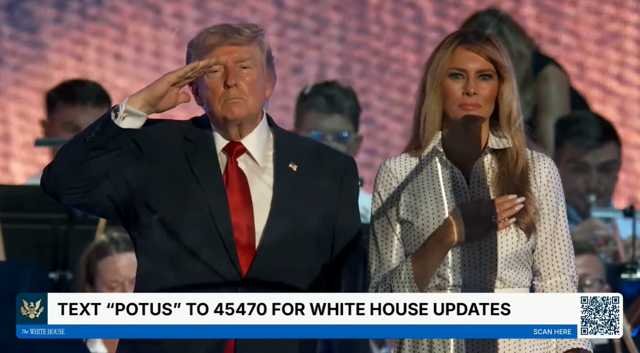
The Psychology and Rhetoric of Trump’s July 4, 2026 National Mall Address
How does a birthday speech become a persuasion machine? Our two-track analysis maps the psychological signature and influence architecture of Trump’s 250th anniversary address — from EPPM fear appeals to borrowed authority from centenarian veterans.
-
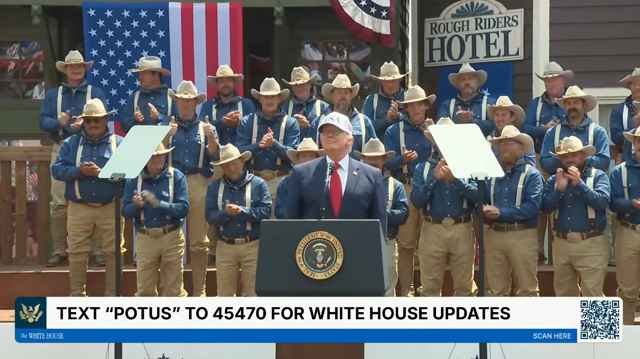
Trump’s Teddy Roosevelt Library Speech: A Psychological and Rhetorical Analysis
Trump’s Medora address puts his own vote count against a president who died in 1919 and jokes about awarding himself the Medal of Honor. We break down the psychology and persuasion architecture behind it.
-

Political Psychology & Rhetorical Analysis: Trump at the Great American State Fair — June 24, 2026
Trump’s National Mall address for America’s 250th birthday is a masterclass in political persuasion — redemption narrative, superlative flooding, and self-monumentalization in every sentence. Our two-track analysis decodes the psychology and rhetoric
-

Trump at Mack Trucks: A Political Psychology and Rhetorical Analysis
Trump’s Macungie rally is a textbook deployment of fear appeal theory, narrative transportation, and illusory truth repetition. This two-track analysis maps the psychology and rhetoric — plus Most Deranged Moments and Incomprehensible Statements.
-

Psychological Profile & Rhetorical Analysis: Trump’s Quantum Executive Order Signing Ceremony — June 22, 2026
Trump’s quantum EO signing was a behavioral event as much as a policy one. Two-track analysis: psychological patterns (grandiosity, splitting, distortion) and influence architecture (fear appeals, borrowed credibility, narrative transportation)
-
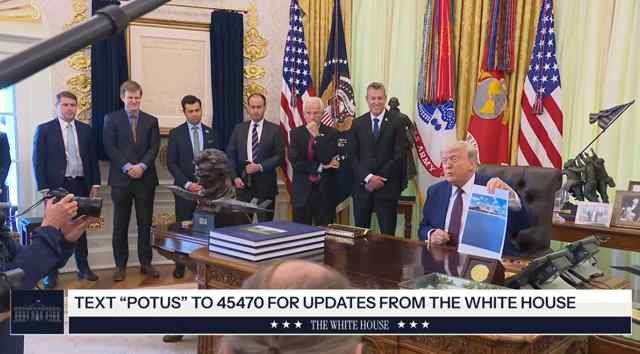
Political Psychology & Rhetorical Analysis: Trump Oval Office Executive Order Signing — June 3, 2026
How does Trump turn a routine EO signing into a masterclass of psychological influence? Our two-track analysis maps grandiosity, fear appeals, contempt contagion, and the illusory truth effect at work in a single Oval Office session.
-

Trump Cabinet Meeting May 2026: Psychological & Rhetorical Analysis
At his 12th cabinet meeting, Trump deployed a textbook fear-then-resolution cycle, blanket ethnic criminalization, and mathematical impossibilities presented as policy achievements. This two-track analysis maps his psychological signature — grandiosity, contempt, perseverative tangentiality — against the rhetorical strategies designed to activate his base and manufacture loyalty in real time.