Category: Economics
-

Why Is No One Talking About the Manufacturing Boom?
Claims of a new American manufacturing renaissance cite rising ISM readings, foreign investment, and factory-related employment. But a closer examination of federal data reveals a more complicated picture. Here is what the numbers actually show.
-
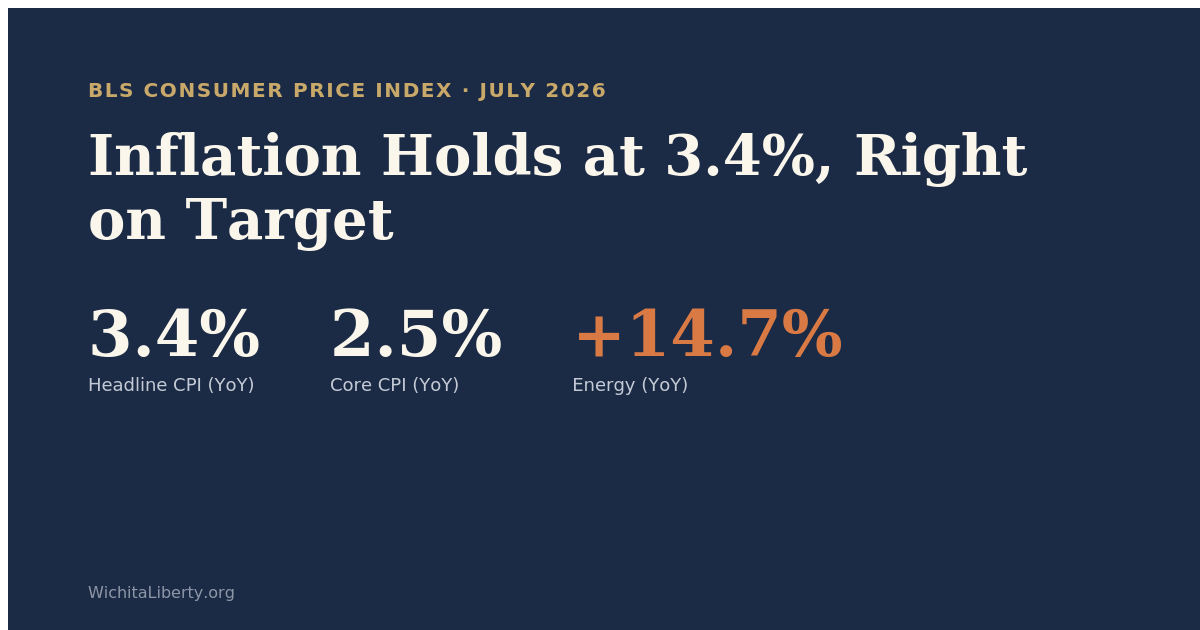
July CPI Holds at 3.4%: Inflation Matches Forecasts as Energy Spike Fades, But the Fed Faces a Split Decision
July’s CPI report came in exactly as economists expected: 3.4% annual inflation, core prices at 2.5%. Energy’s spring spike is fading from the numbers, but a weak jobs report complicates the Fed’s next move.
-
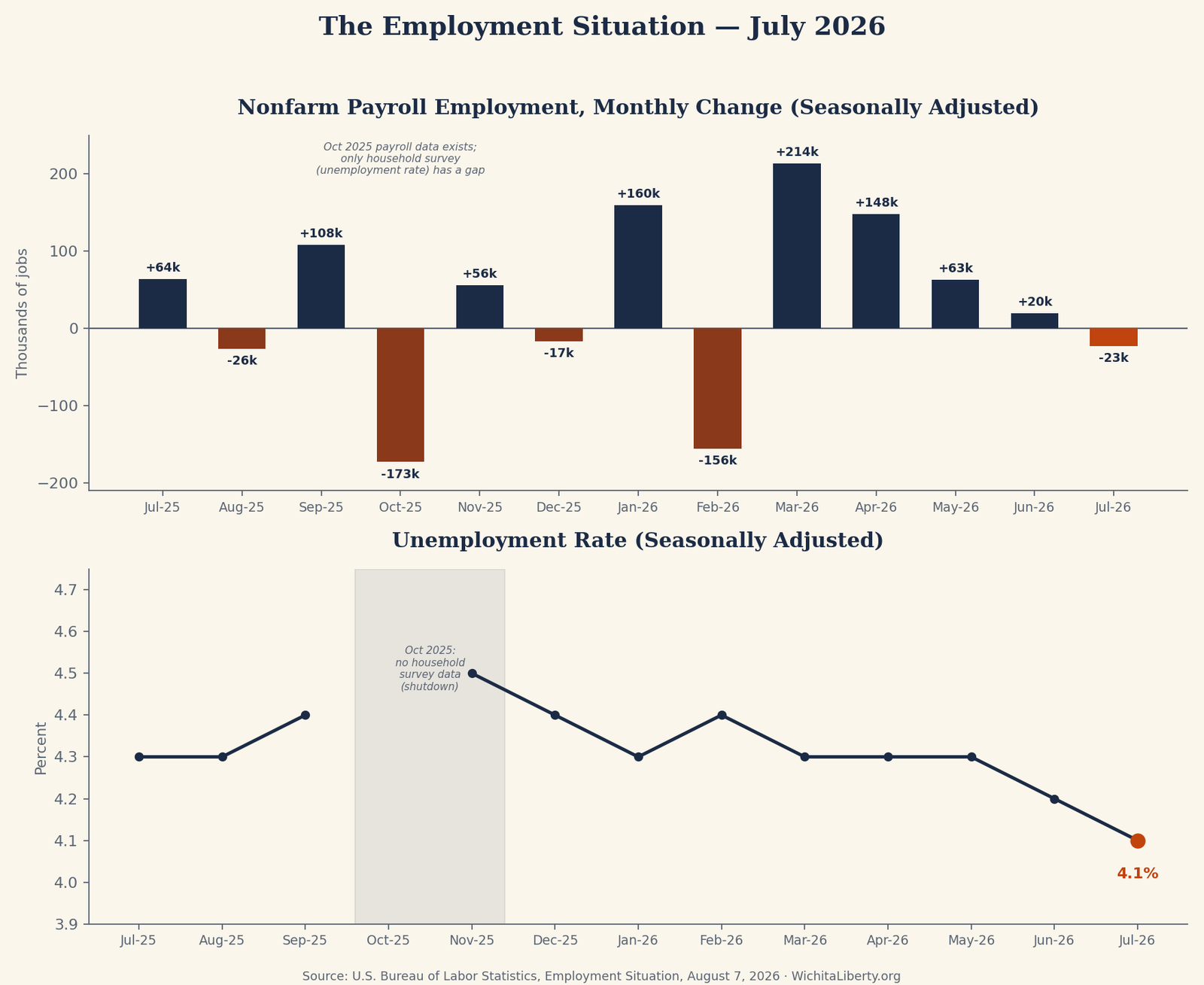
July Jobs Report: Payrolls Fall 23,000 as Labor Market Loses Momentum
The economy lost 23,000 jobs in July, a stunning miss versus forecasts near 83,000. Add in 103,000 in downward revisions to May and June, and the labor market looks far weaker than it did a month ago.
-
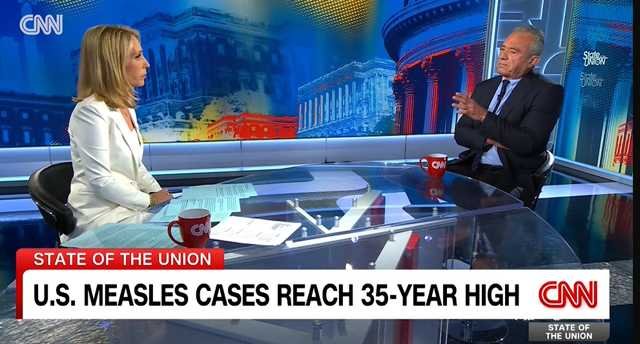
RFK Jr.’s CNN Interview: Fact-Checking His Claims on COVID, Measles
HHS Secretary RFK Jr. clashed with CNN’s Dana Bash over COVID, measles, and autism research. We fact-check his most disputed claims, one by one, against the evidence.
-
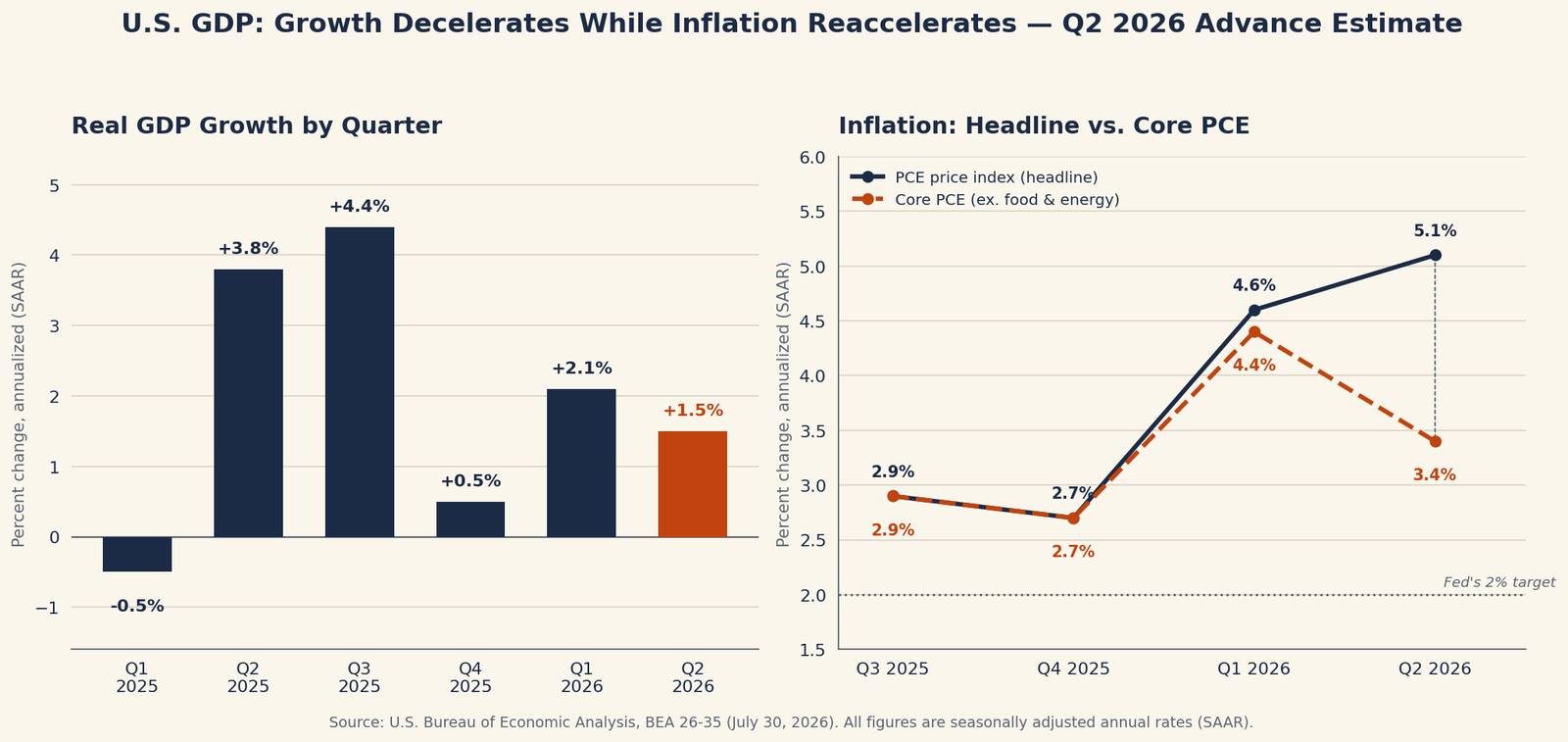
U.S. GDP Q2 2026: Growth Slows to 1.5% as Inflation Heats Back Up
U.S. GDP grew 1.5% in Q2 2026, well below the 2.1% economists expected. Consumer spending and AI-driven investment stayed strong, but a widening trade deficit and a jump in inflation complicate the picture heading into the Fed’s next move.
-
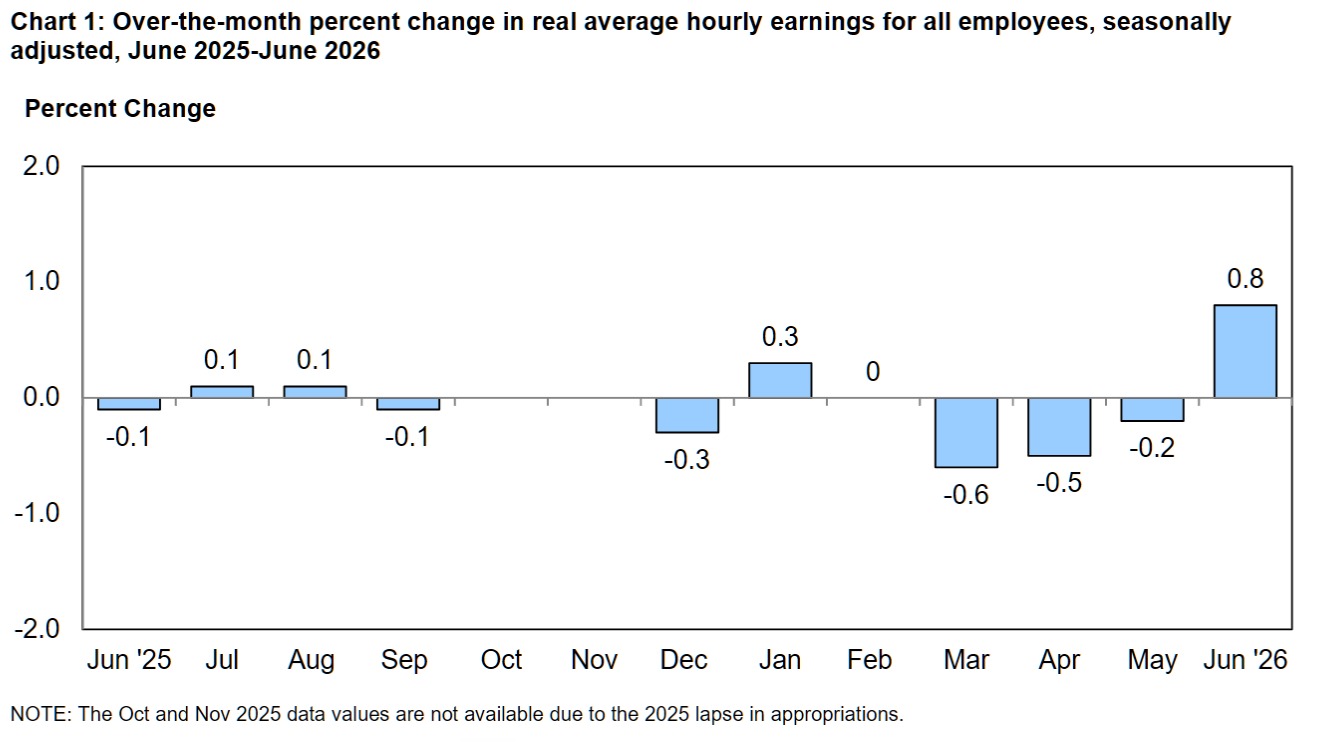
Workers Got a Rare Raise in June — But It Came From Falling Prices, Not Bigger Paychecks
June 2026 brought workers their best real-wage gain in over a year — but it came from falling gas prices, not stronger pay. With oil prices climbing again over Iran tensions, the relief may not last.
-
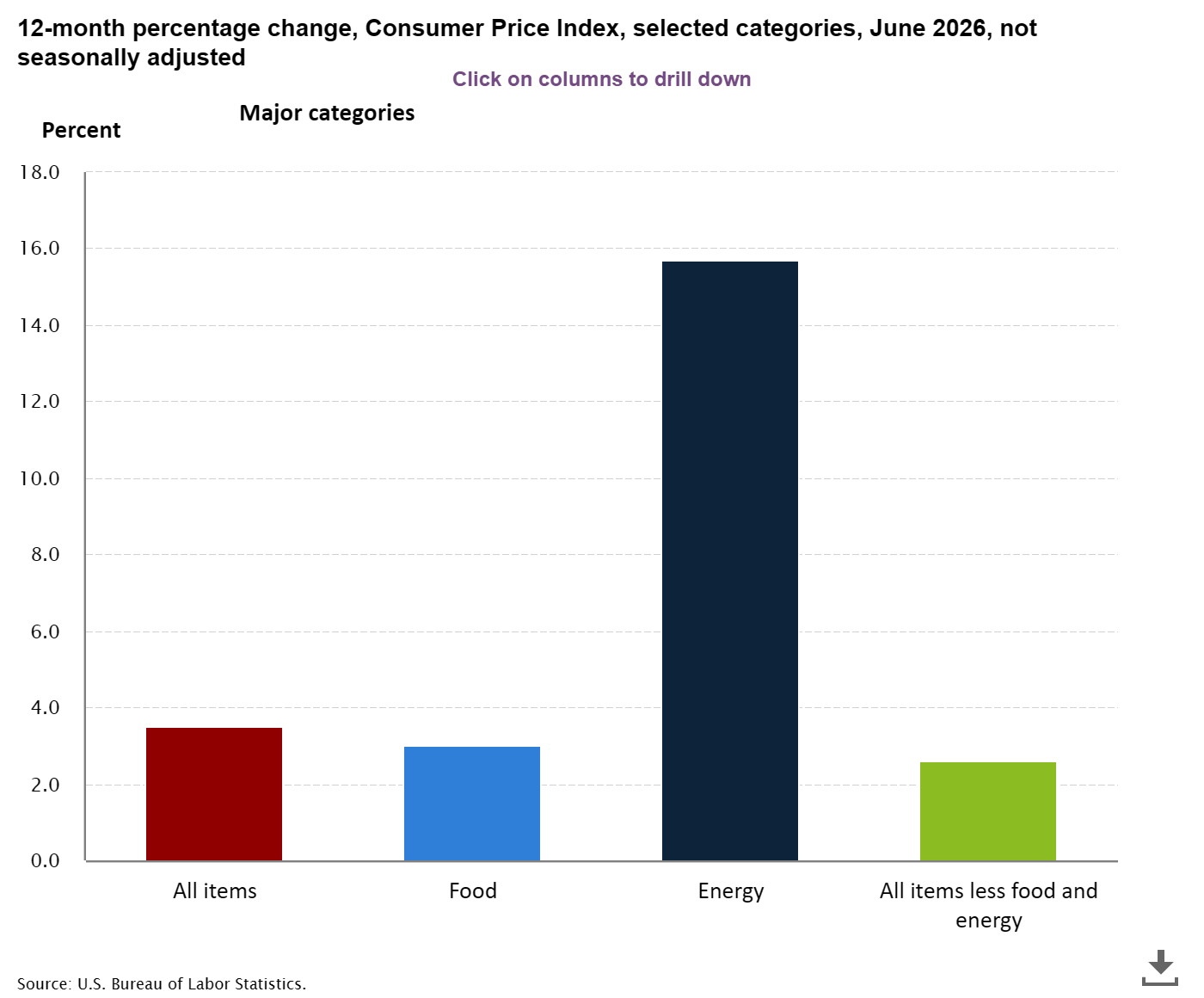
Inflation Just Posted Its Biggest One-Month Drop Since the Pandemic — Here’s Why That’s More Complicated Than It Sounds
June’s CPI report posted the biggest one-month price drop since the pandemic, driven almost entirely by a gasoline price reversal tied to the Iran war easing. Core inflation, the number the Fed watches most, barely budged.
-
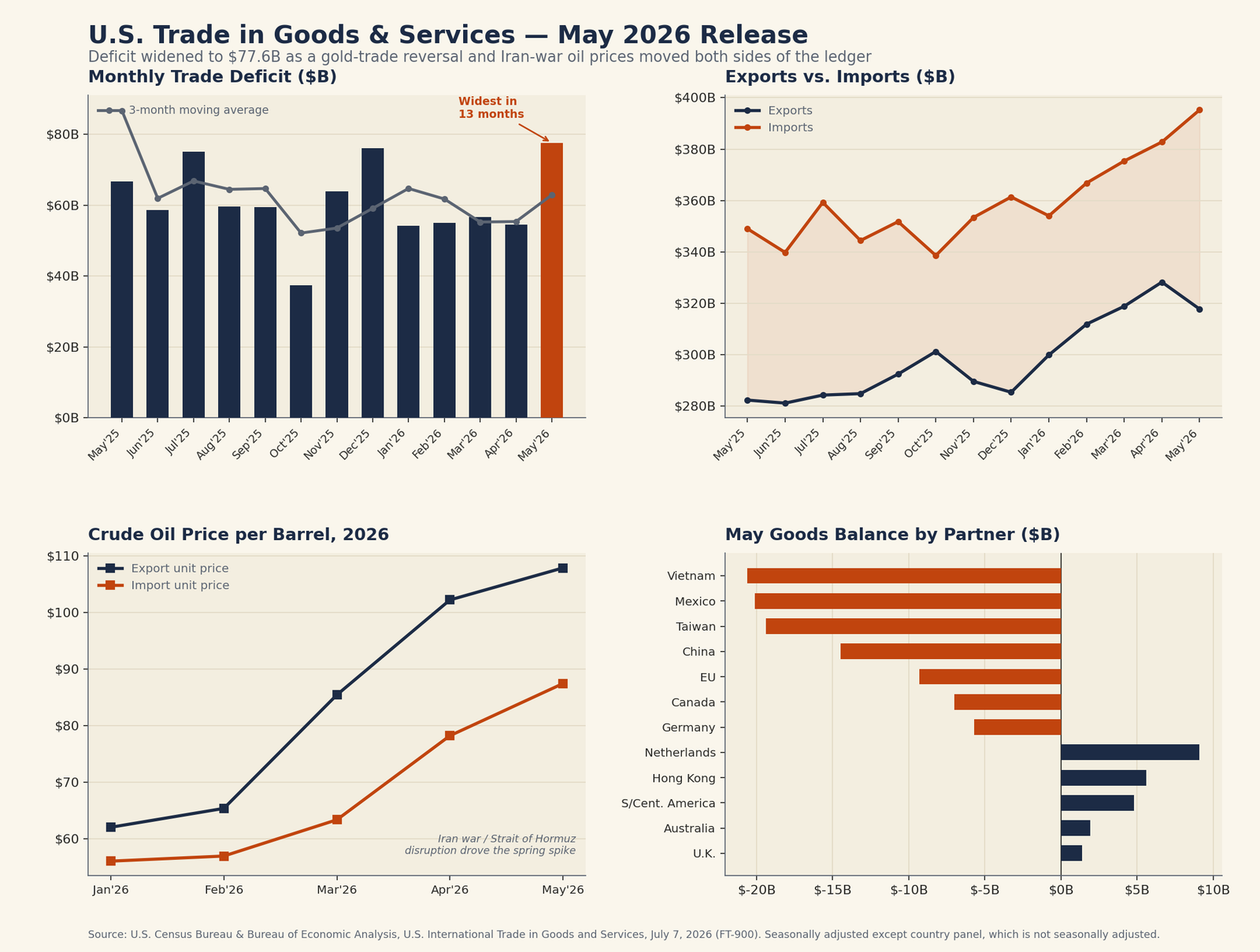
May 2026 Trade Deficit Jumps to $77.6 Billion — Gold Swings and Oil Prices Explain Most of It
America’s trade gap widened sharply in May, but a gold-shipment reversal and Iran-war oil prices explain much of the jump. Here’s what beat forecasts, what didn’t, and what it means for the Fed’s July decision.
-
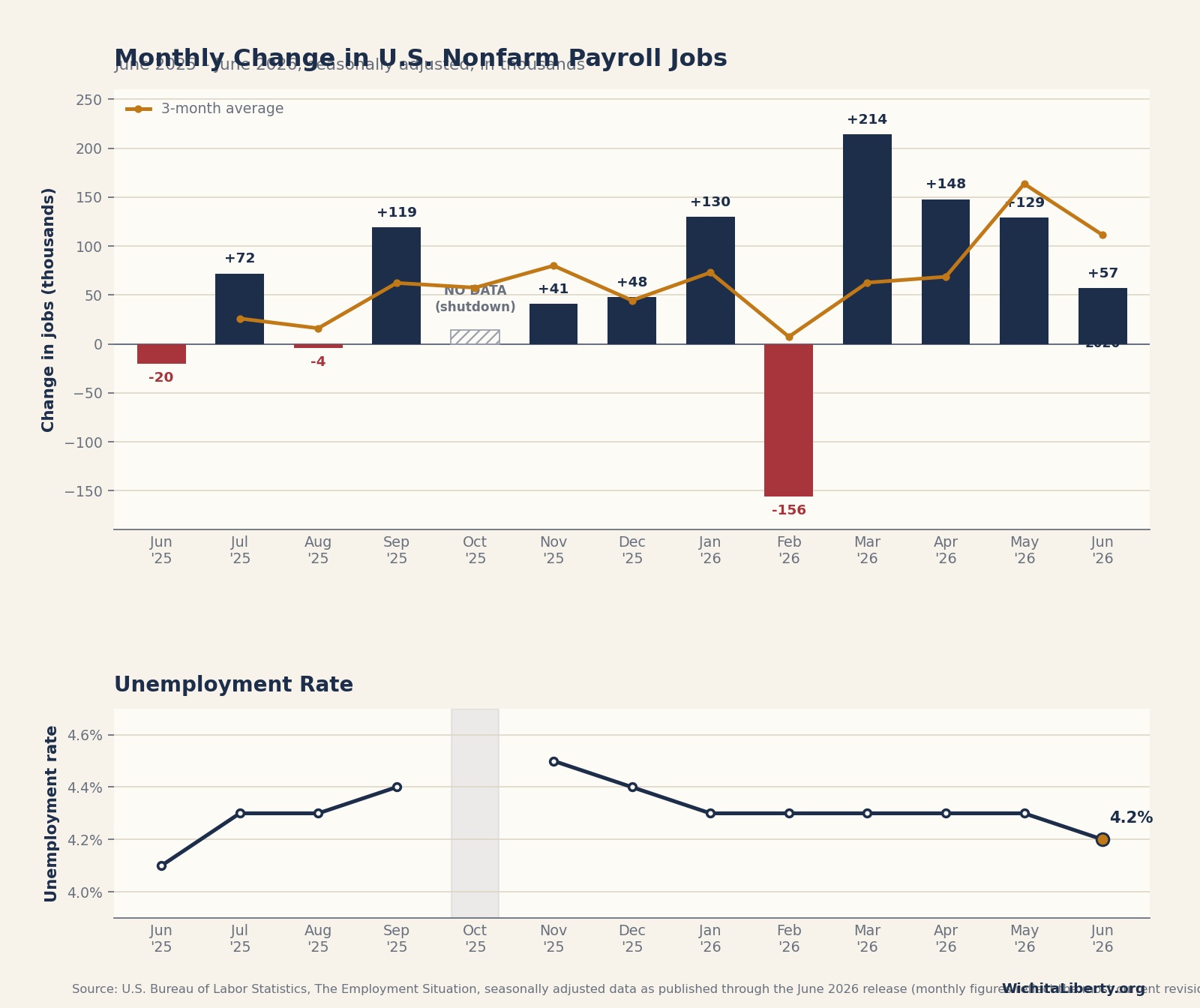
June Jobs Report: Hiring Slows Sharply, But the Unemployment Rate Drop Isn’t What It Looks Like
Payrolls rose just 57,000 in June, half of what forecasters expected, while April and May were revised down a combined 74,000. The unemployment rate hit a one-year low — but for a reason that isn’t actually good news.
-
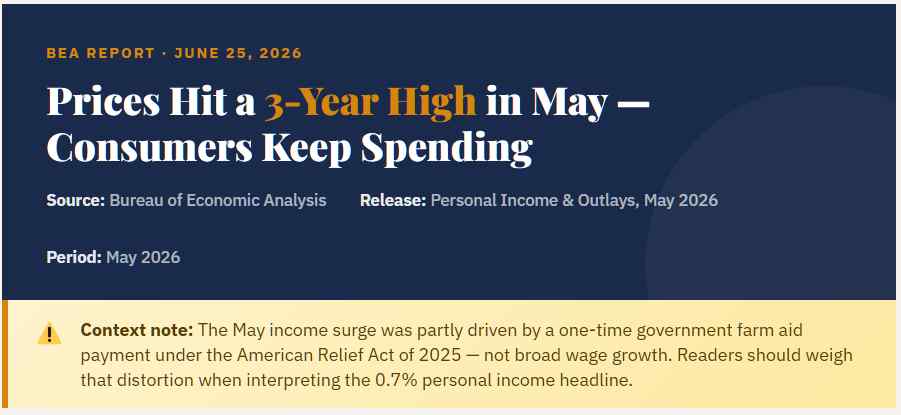
Inflation Hit a 3-Year High in May
Infographic: The Federal Reserve’s preferred inflation measure climbed to 4.1% in May 2026, its highest level since April 2023. Despite surging prices, Americans kept spending — though after adjusting for inflation, real gains were modest.
-
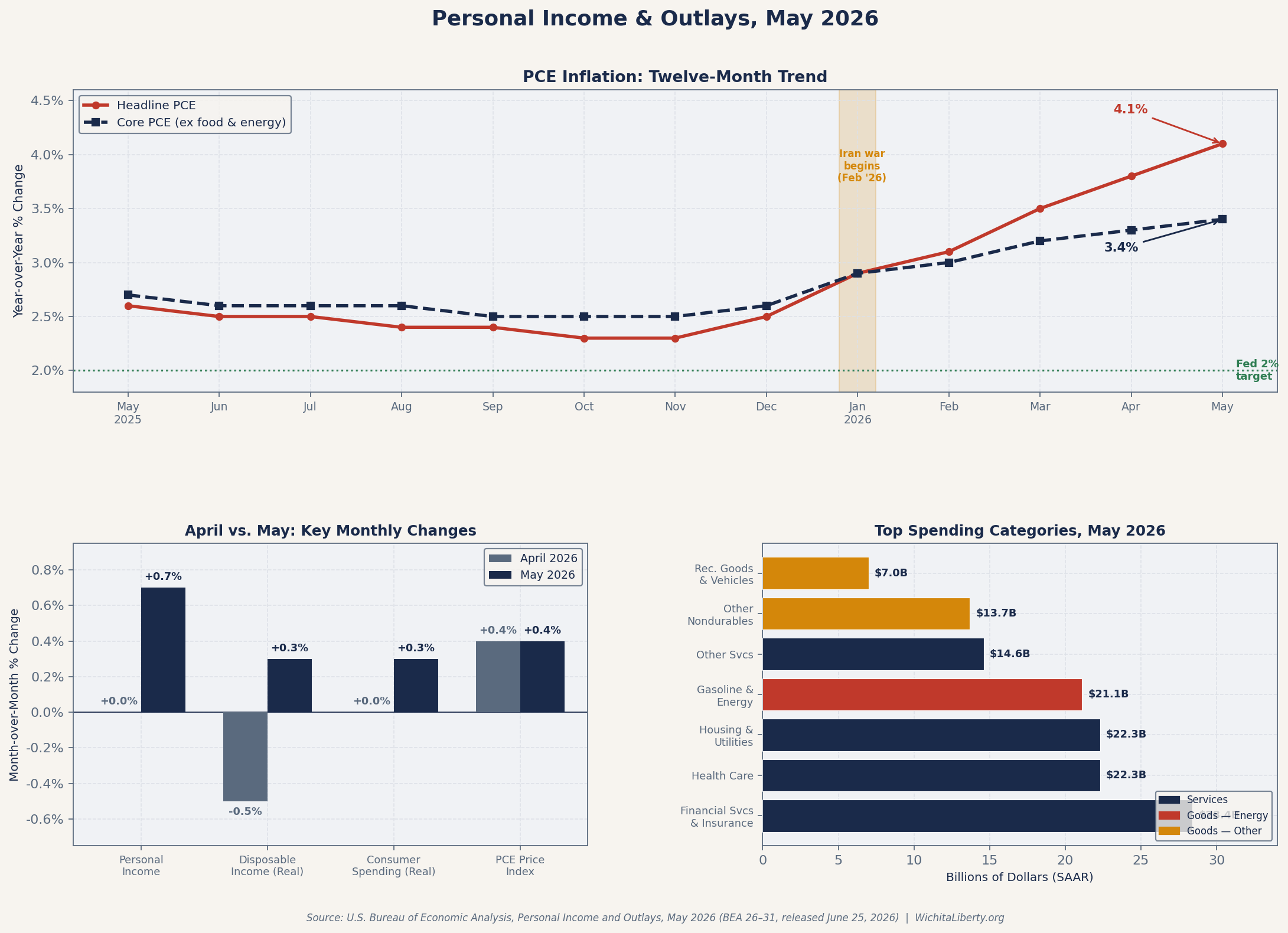
Inflation Hit a 3-Year High in May — But Consumers Keep Spending
The Federal Reserve’s preferred inflation measure climbed to 4.1% in May 2026, its highest level since April 2023. Despite surging prices, Americans kept spending — though after adjusting for inflation, real gains were modest. Here’s what the numbers mean for your wallet and the Fed’s next move.
-
Paying More and Buying Less: 2025 Tariffs and U.S. Household Spending
A new Federal Reserve working paper finds that 2025 tariffs led to partial retail price pass-through but much larger reductions in household spending, especially on non-essential goods. The burden fell unevenly, with low-income households facing the highest welfare cost as a share of income.